Mead, Washington
Black Mold Remediation in Mead, WA
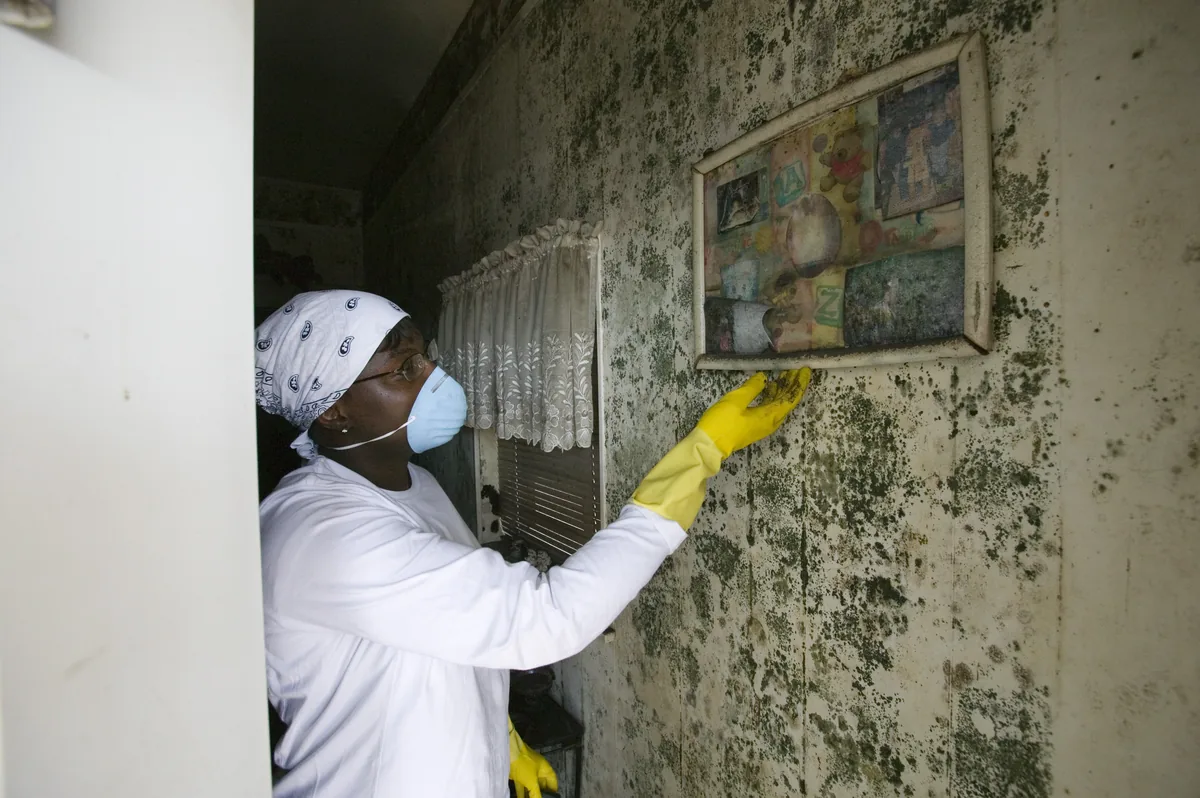
A dark, damp growth deserves a direct approach. Mold removal in Mead operates under full containment and negative air, with clear communication about what sampling can and cannot determine.
When you call
What happens when you call Mead's 24/7 line
Call (844) 352-3560 any hour. The line is answered 24/7 and insurance is accepted.
The process
The Black Mold Removal process in Mead, WA
Assess
Visible growth and moisture levels are documented on site before any conclusions are drawn about the mold type present.
Sample
If species identification is needed, a sample can be sent to an independent lab; on-site visual inspection is not definitive.
Contain
Plastic barriers and negative air machines isolate the affected area to prevent spore movement into other parts of the home.
Remove
Contaminated porous materials are removed, double-bagged, and disposed of under HEPA filtration while technicians wear full protective suits.
Confirm
Post-remediation, surfaces are rechecked, cleaned framing is sealed, and containment remains until moisture readings are acceptable.
Why Mead homeowners call
Black Mold Removal done to the IICRC S520 standard in Mead, WA
Direct communication
The assessment focuses on the observed conditions and necessary steps, without exaggeration.
Containment procedures
Sealed barriers, negative air pressure, and HEPA filtration contain the work area to prevent cross-contamination.
Documented methodology
Documentation, including photos and moisture readings, follows the IICRC S520 standard, which aligns with common requirements for claims or reports.
Insurance process coordination
For covered insurance claims, the service can coordinate directly with the insurance carrier to assist with documentation.
When to call
When to book Black Mold Removal in Mead
- Dark, damp growth on drywall that has been wet for an extended period
- Black discoloration spreading from a window frame or baseboard
- A musty odor in a little-used room or basement
- Mold discovered after a hidden plumbing or roof leak
- Respiratory symptoms that lessen when away from the property
- A lab report identifying specific mold types like Stachybotrys
Any one of these is reason enough to call (844) 352-3560, the line is answered 24/7.
Scope of work
What the crew removes and treats in Mead homes
Drywall and paper facing
Cut out within containment and double-bagged for disposal
Framing and sheathing
HEPA vacuumed, treated with antimicrobial, and sealed with encapsulant
Fiberglass and cellulose insulation
Removed entirely; contaminated insulation cannot be effectively cleaned
Carpet and pad
Discarded if growth is present on the backing or padding
Soft goods in the work zone
HEPA vacuumed or removed before containment is dismantled
Not sure how far the damage runs? Describe it on the phone at (844) 352-3560, the line is answered 24/7.
By location
Black Mold Removal by city
Black Mold Removal covers Mead and the whole Spokane County area. Pick your city for local detail and pricing.
Where the crews work
Black Mold Removal across Mead & the Spokane County area
From Mead out to Country Homes, Dartford, Orchard Prairie, and the Spokane County area. The same crews, the same 24/7 line.
What it costs
Mold removal cost in Mead, WA
Every job is different, so these are the typical Washington ranges. They are planning numbers, not a quote. Your price depends on how much mold there is, where it is, and what caused it.
A single moldy spot, a closet, or under a sink. The crew seals it off, removes it, and treats the surface.
A bathroom, kitchen, or bedroom with mold on a wall or ceiling, plus the moisture source fixed.
Larger areas that need more containment and drying. Common here after spring rain or a slow leak.
Mold across several rooms or after major water damage. The work runs in phases, room by room.
The surest way to get a firm number is to call and have the crew walk the space with you. Want a ballpark first? Try the instant mold remediation cost calculator. Filing a claim? Insurance is accepted and the contractor works with your carrier, so read the mold insurance claims guide.
Time and scope
How long Black Mold Removal takes in Mead, and what is included
How long the job takes
Setup and takedown of containment are consistent steps. The duration of active remediation depends on the extent of growth, number of affected areas, and whether post-remediation verification is scheduled.
What is included, what is booked separately
- Full containment with negative air and HEPA filtration
- Technicians in respirators and disposable protective clothing
- Removal and bagging of affected porous materials
- Antimicrobial application and encapsulant on cleaned surfaces
- Photo and moisture documentation suitable for insurance
Booked separately: Mold Testing, Mold Clearance Testing, Hidden Mold Remediation.
For a firm schedule and a written scope, call (844) 352-3560, the line is answered 24/7.
On the job
Mold remediation work in Mead homes
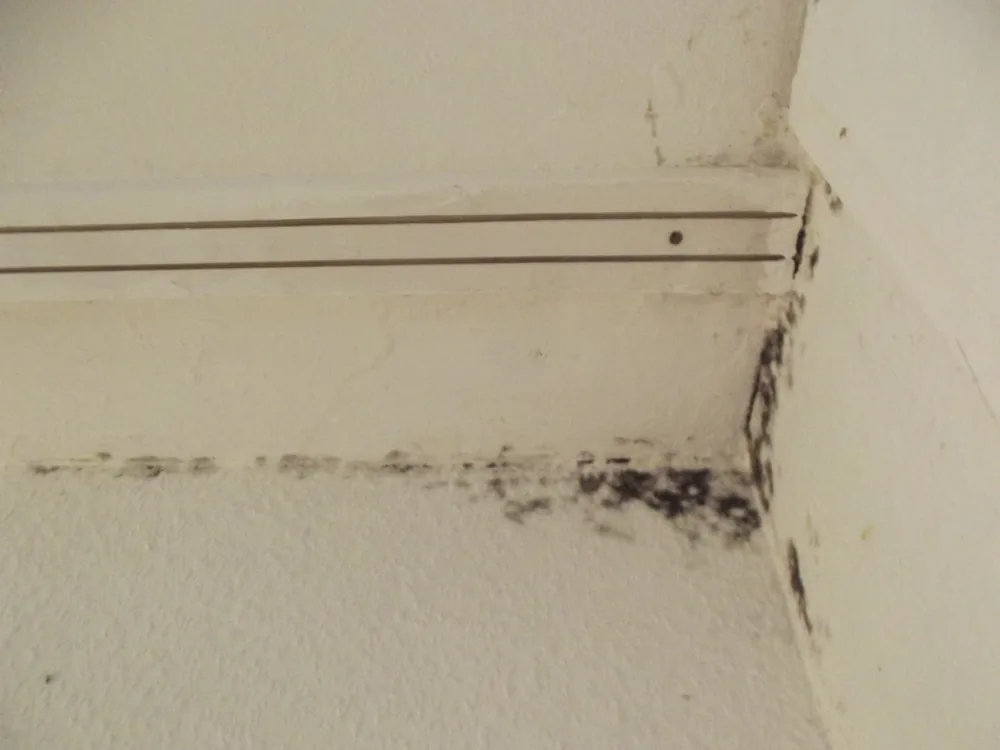
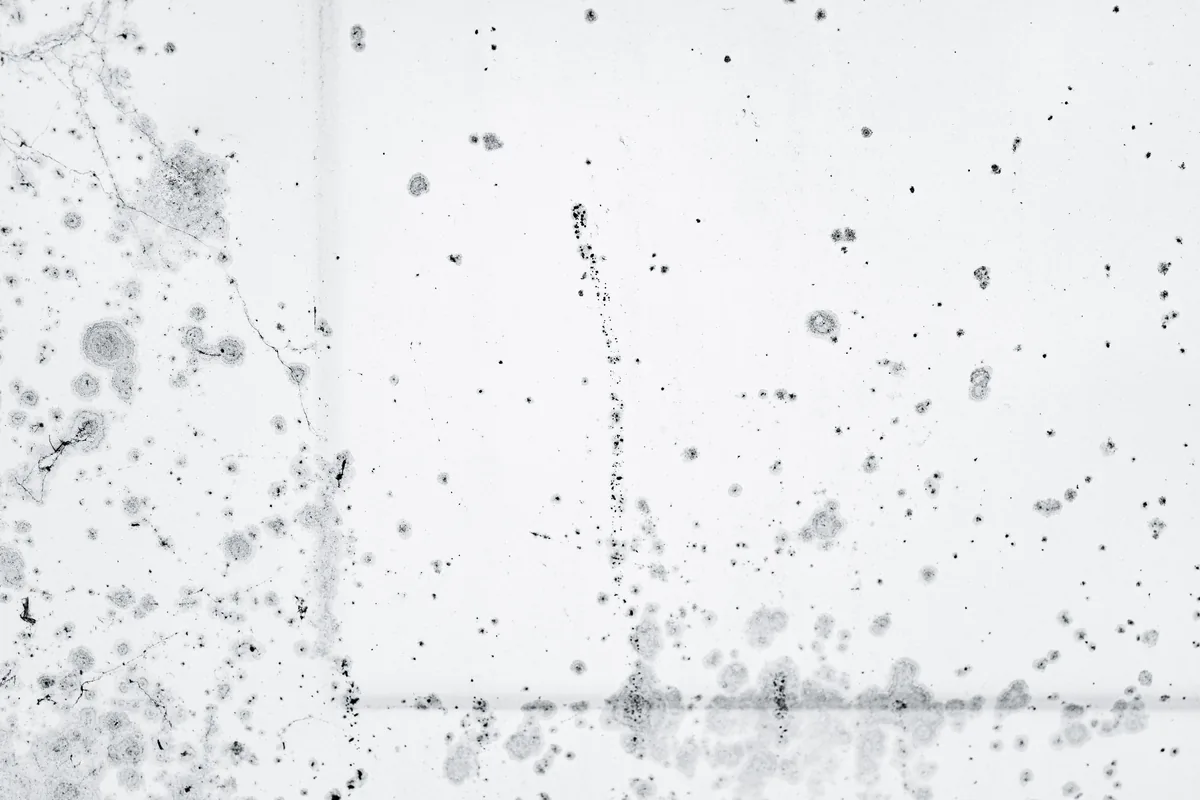
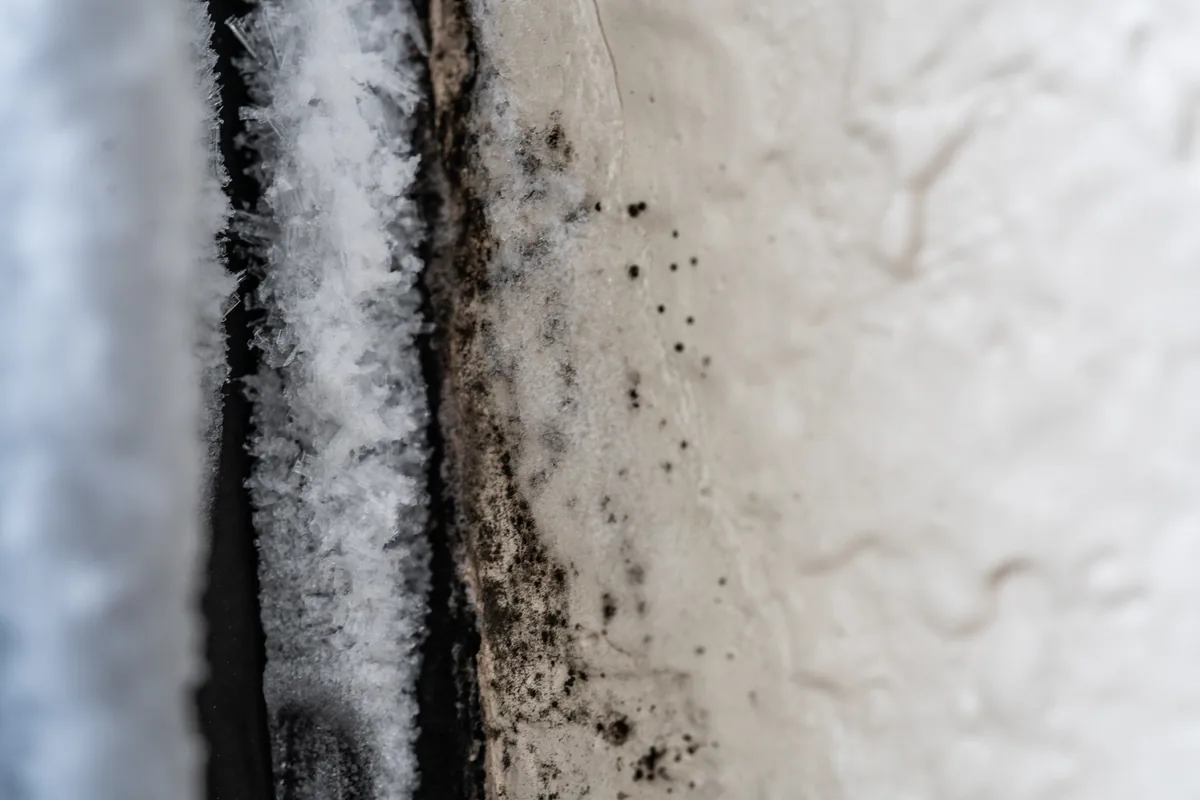
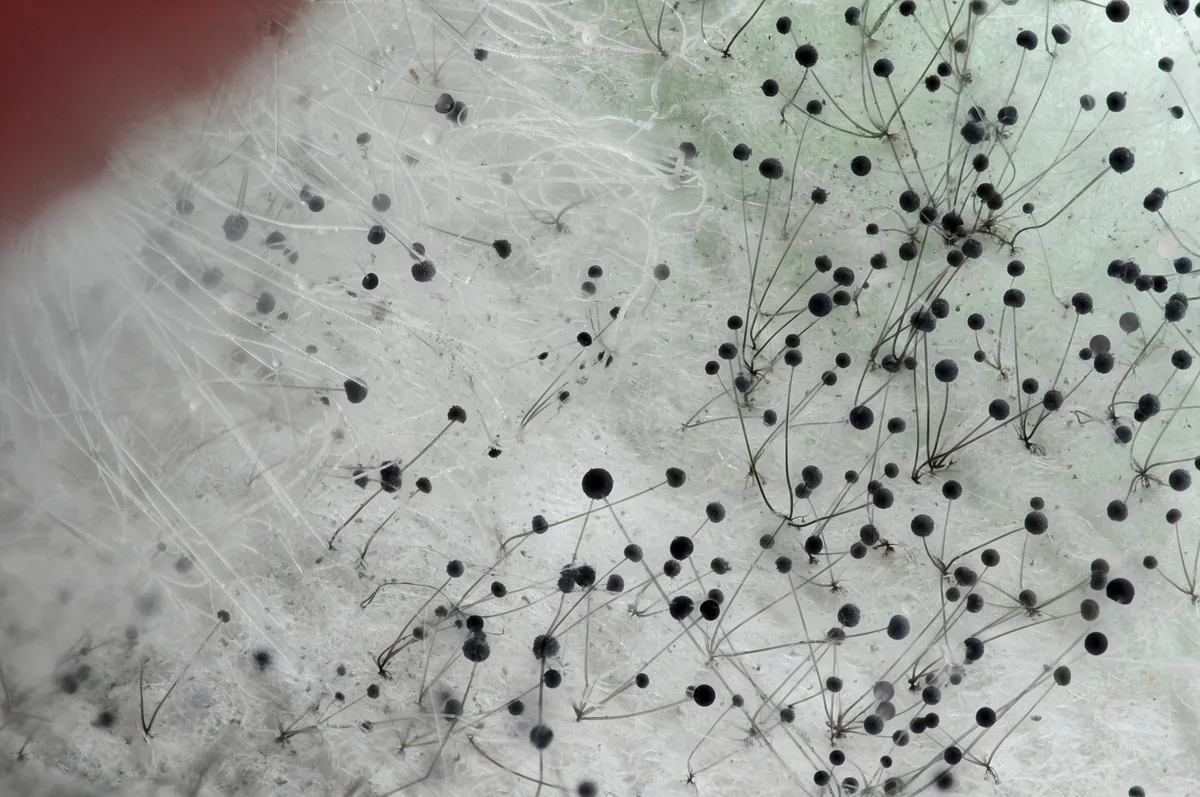
"Black Mold" Refers to Appearance, Not a Specific Type
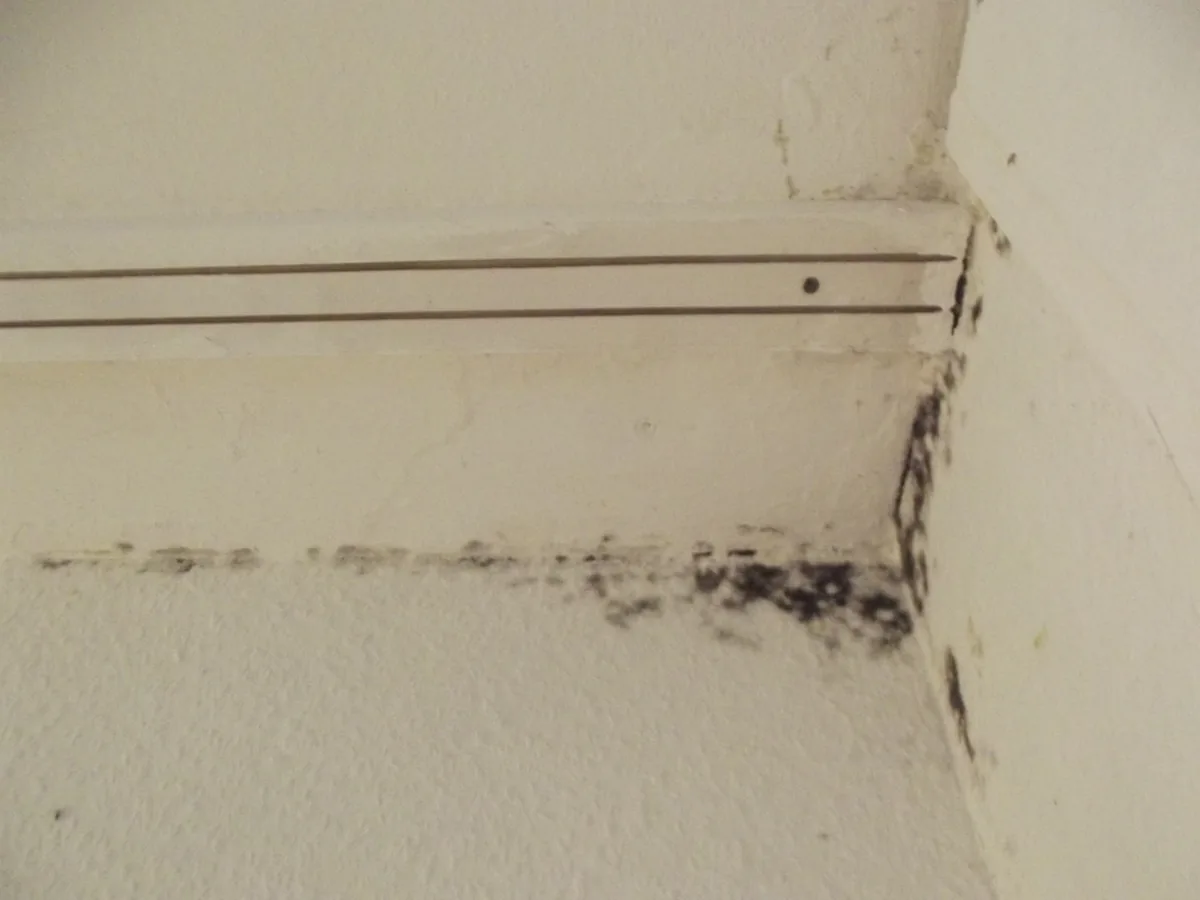
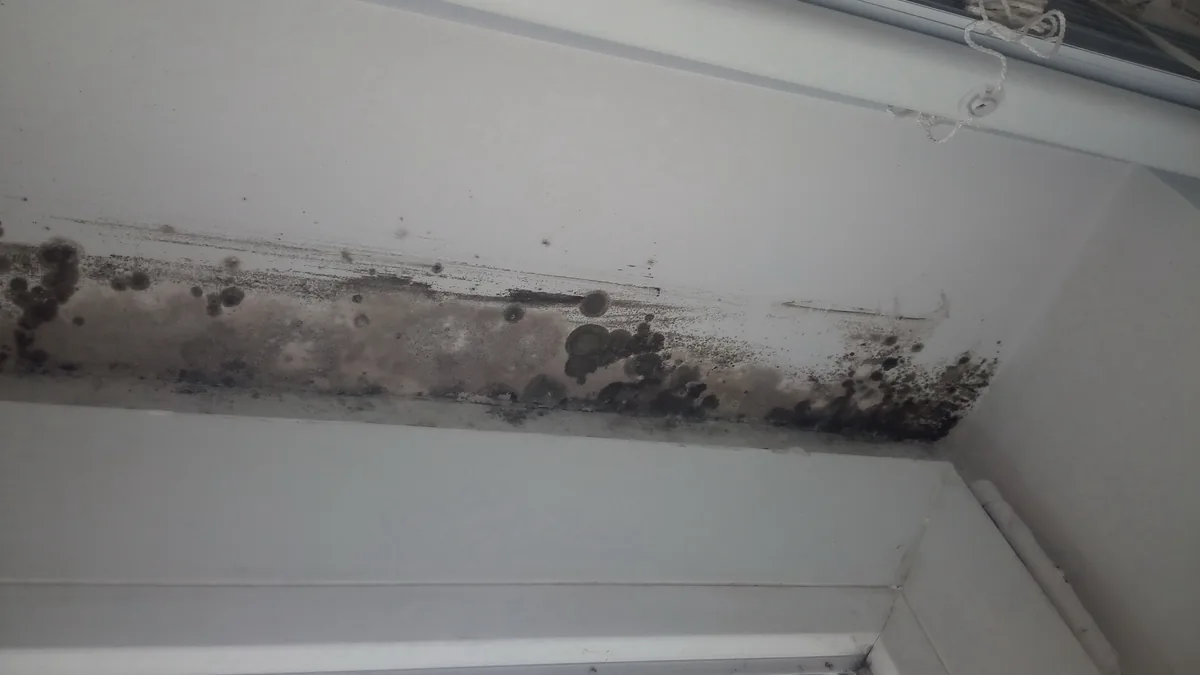
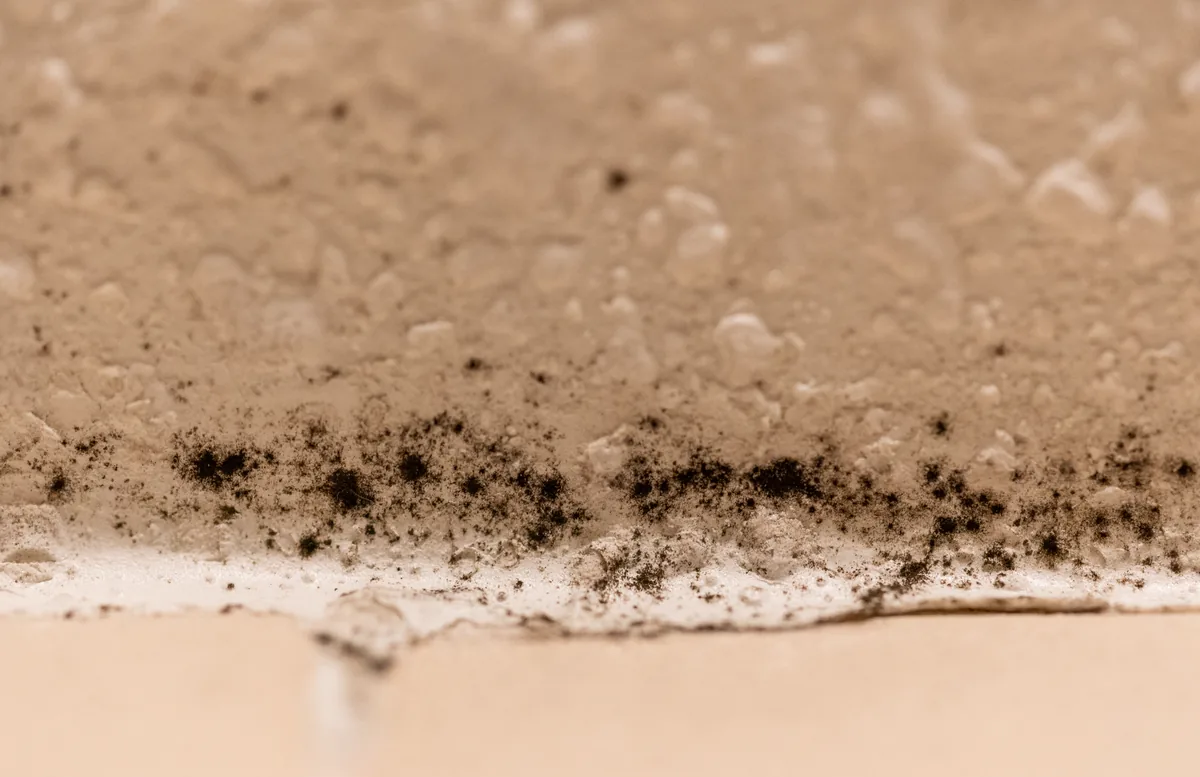
Many calls about black mold describe a color, dark green, gray, or black, common to several ordinary household molds. Lab analysis is required for precise identification.
Stachybotrys chartarum, often called toxic black mold, can occur in Washington, typically where a persistent moisture issue exists, such as a long-term leak or a damp crawl space.
The critical response remains the same: containment, proper removal following IICRC S520 guidelines, and addressing the water source.
Homeowners suspecting a specific species often find common molds like Aspergillus instead. Visual identification alone is unreliable.
For independent guidance on mold, moisture, and safe cleanup, see CDC: mold and health information and Washington Department of Public Health and Environment.
Common Locations for Mold in Mead Residences
In Mead, dark mold growth frequently appears in areas like basements, bathrooms, and around windows where moisture accumulates.
Finding it in multiple locations often indicates a prolonged moisture problem.
- Behind baseboards in basements with a history of seepage
- Around window frames that sweat through Washington winters
- Inside the cabinets under kitchen and bathroom sinks
- On drywall behind furniture pressed against an exterior wall
- In crawl spaces with bare dirt floors and dead air
The Reason for Full Protective Equipment
Remediation disturbs mold colonies, potentially releasing a high concentration of spores when cutting into affected materials.
For dark, concentrated growth, technicians use full suits and respirators within a sealed containment zone with negative air pressure to protect the rest of the home.
If household members have respiratory sensitivities, informing the crew allows for adjustments in containment protocols and consideration for post-remediation air sampling.
Pets and children should stay clear of the work area, similar to any active construction zone, for safety.
When Mold Testing Provides Value
Visible mold on porous materials requires removal regardless of species. Testing is useful for real estate transactions, legal matters, or when documentation is desired.
Lab results inform identification but do not alter the removal protocol for contaminated materials.
Post-remediation verification, or clearance testing, is another instance where independent lab analysis can provide documentation before reconstruction begins.
The Typical Timeline for Mold Development
Significant mold growth usually develops over weeks or months from an unnoticed moisture issue, like a slow leak or condensation buildup.
This timeline is important, as the growth is a symptom of an ongoing condition, not an isolated event.
Removing mold without addressing the moisture source leads to recurrence. The scope of work typically notes the suspected cause, though plumbing repairs are handled separately.
Addressing growth before it exceeds ten square feet or spreads to additional rooms can reduce the scale and complexity of the project.
After the job
After the job: keeping it from coming back
Address the moisture source to prevent regrowth
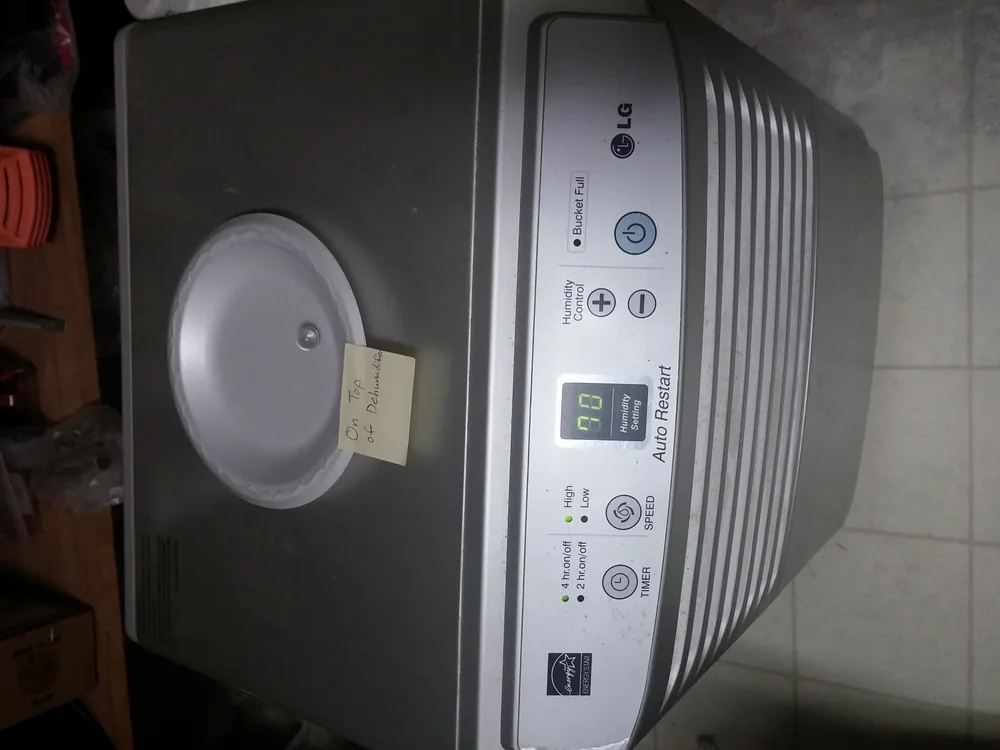
Maintain indoor humidity between 30 to 50 percent year-round
Allow air circulation by keeping furniture slightly away from exterior walls
Monitor the repaired area with a moisture meter after seasonal changes
If it shows up again, or a new leak starts, call (844) 352-3560, the line is answered 24/7.
Good to know
Black Mold Removal in Mead, WA: common questions
Is dark-colored mold always hazardous?
No. Color is not a reliable indicator of species. Many common molds are dark. Visible growth on porous materials requires removal and moisture correction regardless of type.
Can mold affect health?
Reactions vary. Some individuals experience allergy-like symptoms. Those with respiratory conditions or sensitivities may be more affected. Disclose any health concerns when scheduling.
Will all mold in a home be located?
The inspection focuses on reported areas and common problem zones like basements, bathrooms, and around windows. If hidden growth is suspected, options for investigation are discussed before proceeding.
Is testing required before remediation?
Often not. Visible growth dictates removal. Testing is valuable for legal, real estate, or specific documentation needs, not for determining if removal is necessary.
How quickly does mold develop?
With a constant moisture source, mold can begin growing within 24 to 48 hours and establish a colony in days to weeks. The speed underscores the need to address both water and growth.
Related services
More mold services in Mead, WA
Standards
Standards the work is done to in Mead
Questions about the scope? Call (844) 352-3560, open 24/7.
Talk to the mold removal team now
Need Black Mold Removal in Mead, WA?
Call the 24/7 line and a local crew gets the problem contained fast, then removed the right way, to the IICRC S520 standard. A visit is often set the same day.