Mead, Washington
Sewage Mold Remediation in Mead, Washington
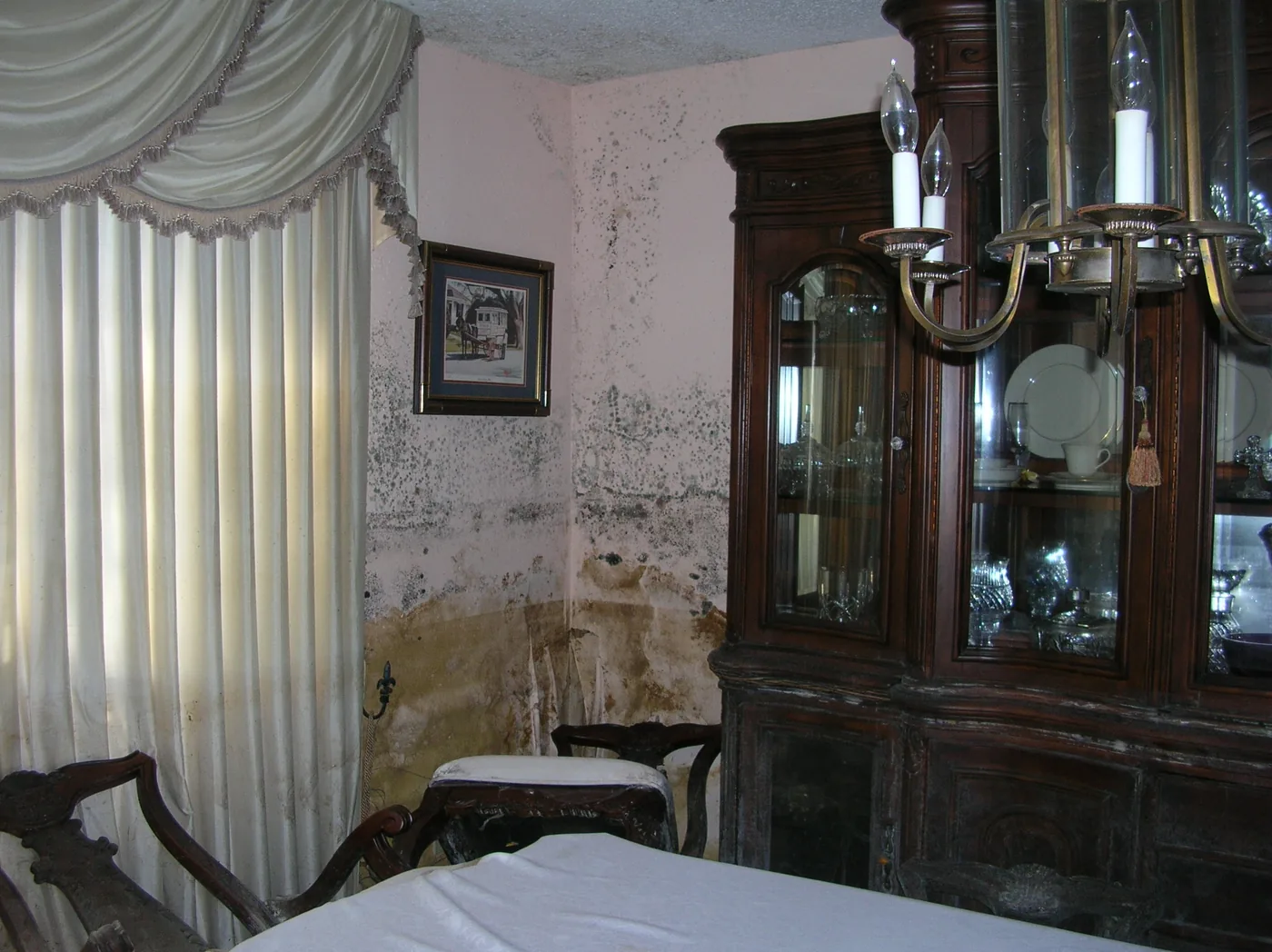
Sewage is a Category 3 health hazard. Sewage mold remediation in Mead, Washington addresses the contamination and resulting growth with proper containment and removal procedures.
When you call
What happens when you call Mead's 24/7 line
Call (844) 352-3560 any hour. The line is answered 24/7 and insurance is accepted.
The process
The Sewage Mold Remediation process in Mead, WA
Inspect
The affected area is mapped and documented, identifying all materials impacted by the Category 3 water.
Contain
Containment with negative air pressure is established, and technicians work in full protective equipment.
Remove
Porous materials contaminated by sewage are removed and disposed of according to Category 3 protocols.
Dry
The structure undergoes thorough drying, followed by disinfection and antimicrobial treatment.
Verify
Final moisture readings and an inspection confirm the space is clean, dry, and safe.
Why Mead homeowners call
Sewage Mold Remediation done to the IICRC S520 standard in Mead, WA
Correct protective protocols
The work involves full protective gear, Category 3 material disposal, and containment with negative air, exceeding standard water cleanup methods.
Documented remediation process
The process includes photo documentation, moisture mapping, and a written scope aligning with IICRC standards for water damage and mold remediation.
When to call
When to book Sewage Mold Remediation in Mead
- Sewage has surfaced at a basement floor drain or toilet
- A sump pump failure allows contaminated water into living space
- Wastewater from a storm backup soaks basement carpet
- A clogged sewer lateral floods a bathroom or laundry area
- A persistent sour odor remains days after a backup was cleaned
- Staining spreads upward on drywall from an old backup line
Any one of these is reason enough to call (844) 352-3560, the line is answered 24/7.
Scope of work
What the crew removes and treats in Mead homes
Carpet and carpet pad
Removed and disposed of, never cleaned in place
Drywall low on the wall
Cut and removed above the contamination line, then bagged
Subfloor and OSB
Cut out or sanded where wastewater penetrated
Sill plate and framing
Cleaned, disinfected, and treated with antimicrobial solution
Concrete slab and block
Scrubbed, disinfected, and dried to proper moisture levels
Floor drain and trap
Flushed and disinfected after the source is repaired
Not sure how far the damage runs? Describe it on the phone at (844) 352-3560, the line is answered 24/7.
By location
Sewage Mold Remediation by city
Sewage Mold Remediation covers Mead and the whole Spokane County area. Pick your city for local detail and pricing.
Where the crews work
Sewage Mold Remediation across Mead & the Spokane County area
From Mead out to Country Homes, Dartford, Orchard Prairie, and the Spokane County area. The same crews, the same 24/7 line.
What it costs
Mold removal cost in Mead, WA
Every job is different, so these are the typical Washington ranges. They are planning numbers, not a quote. Your price depends on how much mold there is, where it is, and what caused it.
A single moldy spot, a closet, or under a sink. The crew seals it off, removes it, and treats the surface.
A bathroom, kitchen, or bedroom with mold on a wall or ceiling, plus the moisture source fixed.
Larger areas that need more containment and drying. Common here after spring rain or a slow leak.
Mold across several rooms or after major water damage. The work runs in phases, room by room.
The surest way to get a firm number is to call and have the crew walk the space with you. Want a ballpark first? Try the instant mold remediation cost calculator. Filing a claim? Insurance is accepted and the contractor works with your carrier, so read the mold insurance claims guide.
Time and scope
How long Sewage Mold Remediation takes in Mead, and what is included
How long the job takes
Category 3 remediation requires disinfection and more material removal than a clean water job. The scope is influenced by the extent of the finished basement affected and how long wastewater remained before extraction.
What is included, what is booked separately
- Extraction and disposal of Category 3 contaminated materials
- Containment with negative air and HEPA filtration
- Disinfection of hard surfaces and complete structural drying
- Antimicrobial treatment of salvageable framing and concrete
- Photo and moisture documentation for insurance purposes
Booked separately: Water damage mold cleanup, Floor and subfloor mold removal, Rebuild and restoration.
For a firm schedule and a written scope, call (844) 352-3560, the line is answered 24/7.
On the job
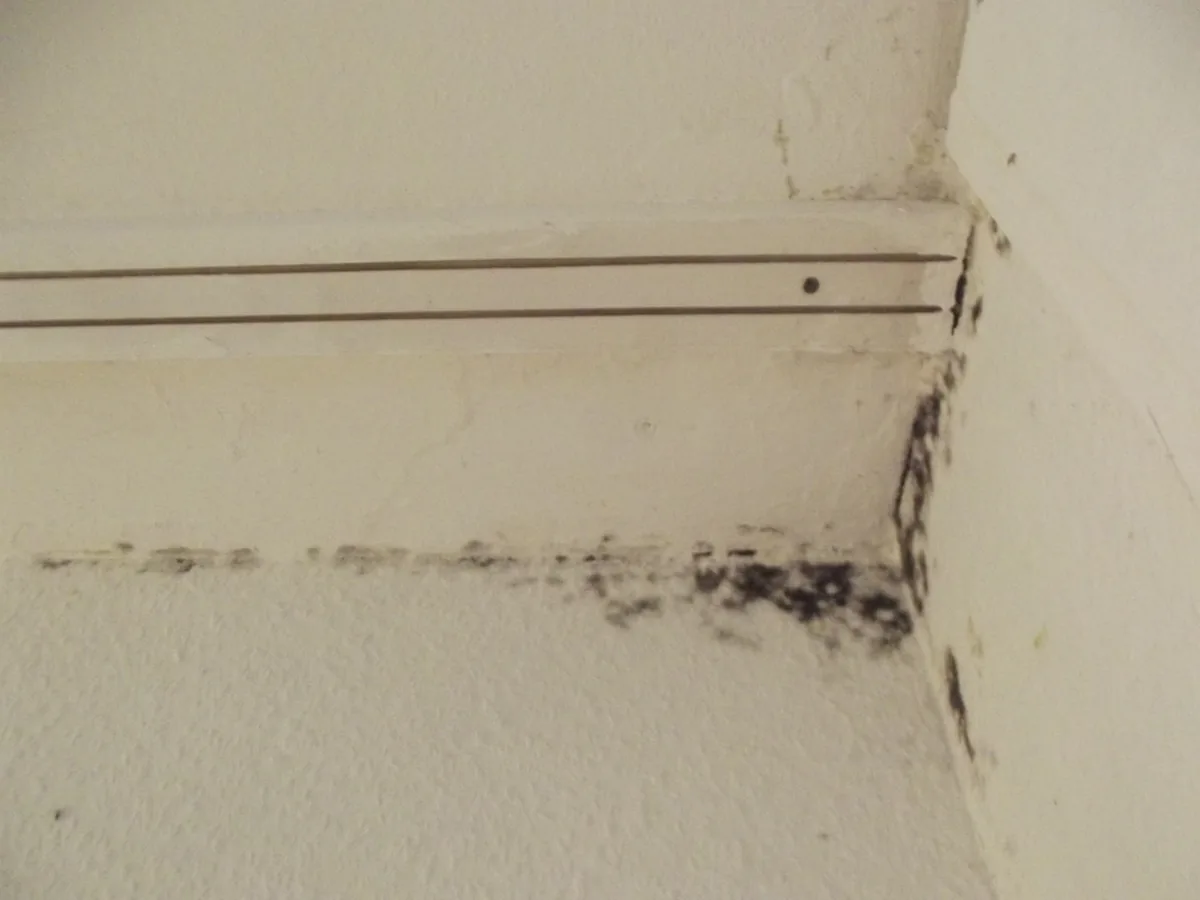
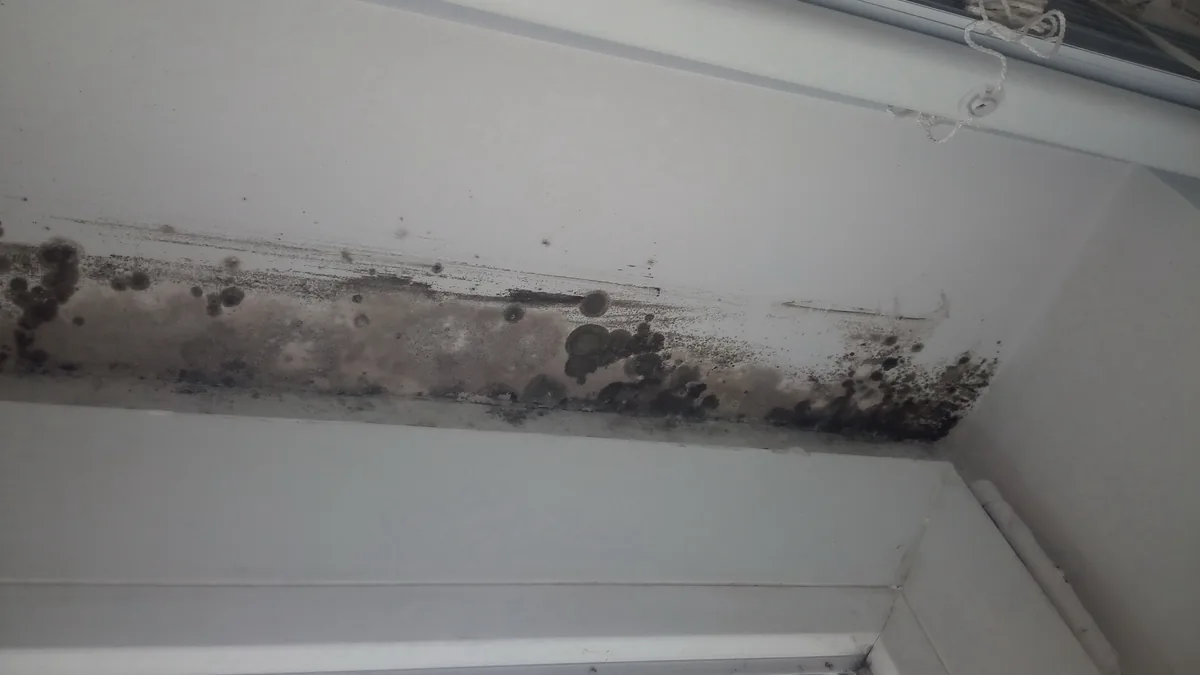
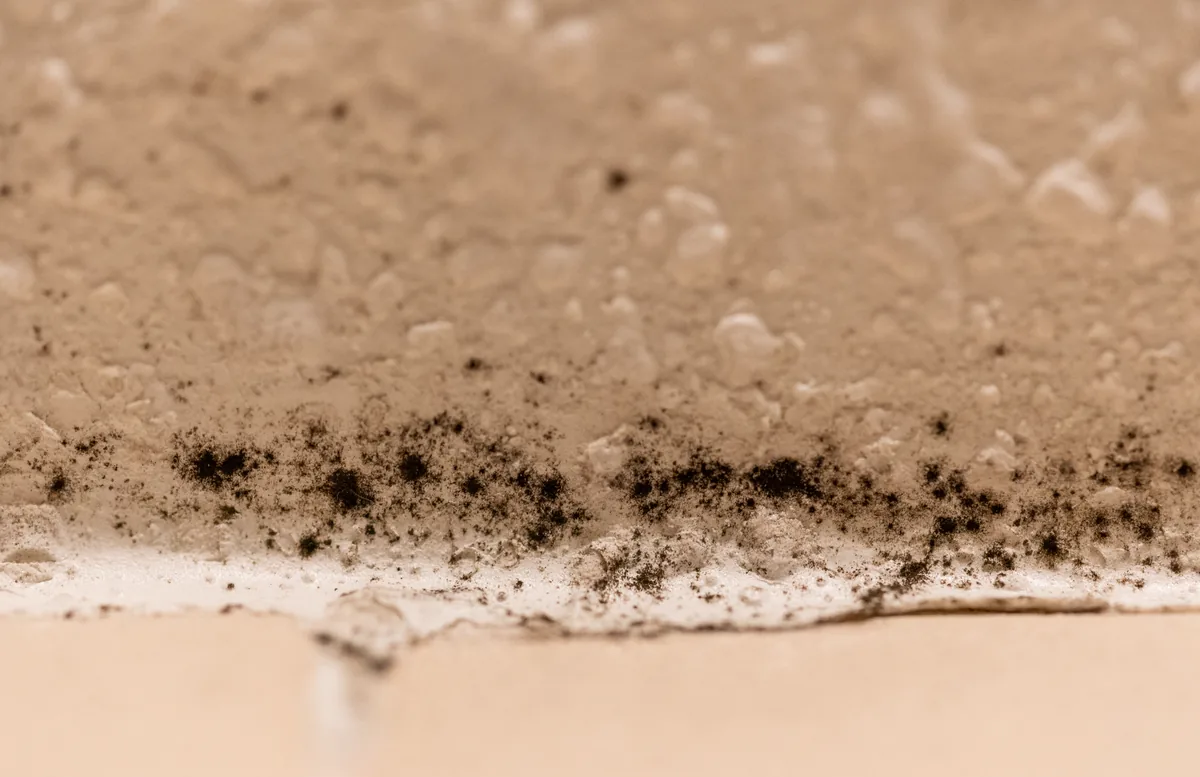
Mold remediation work in Mead homes
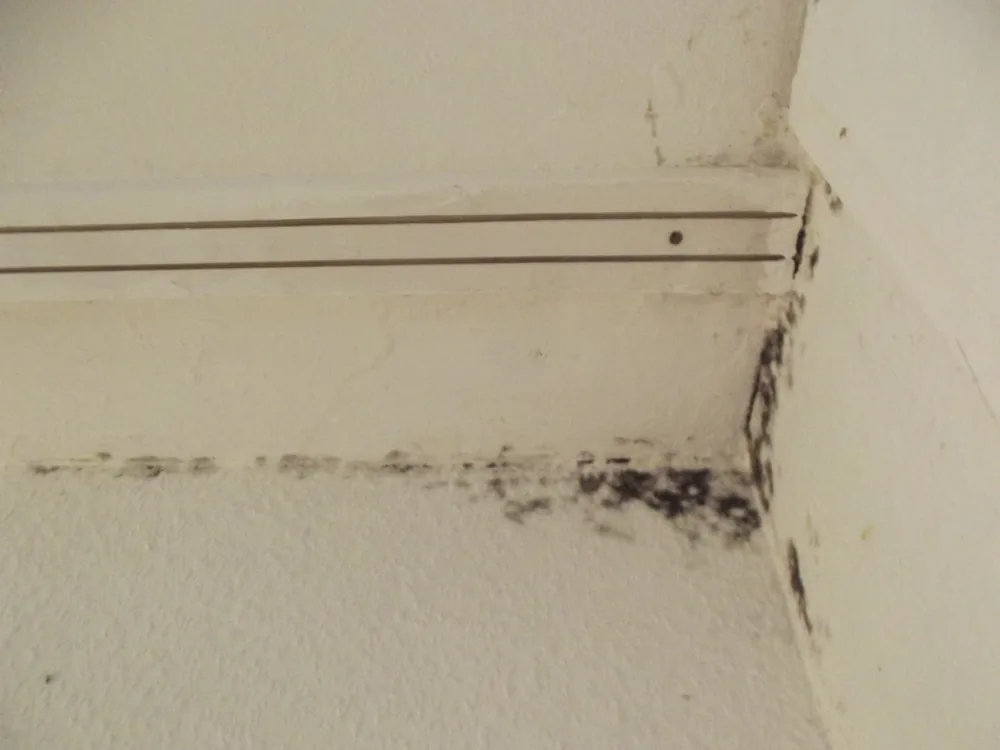
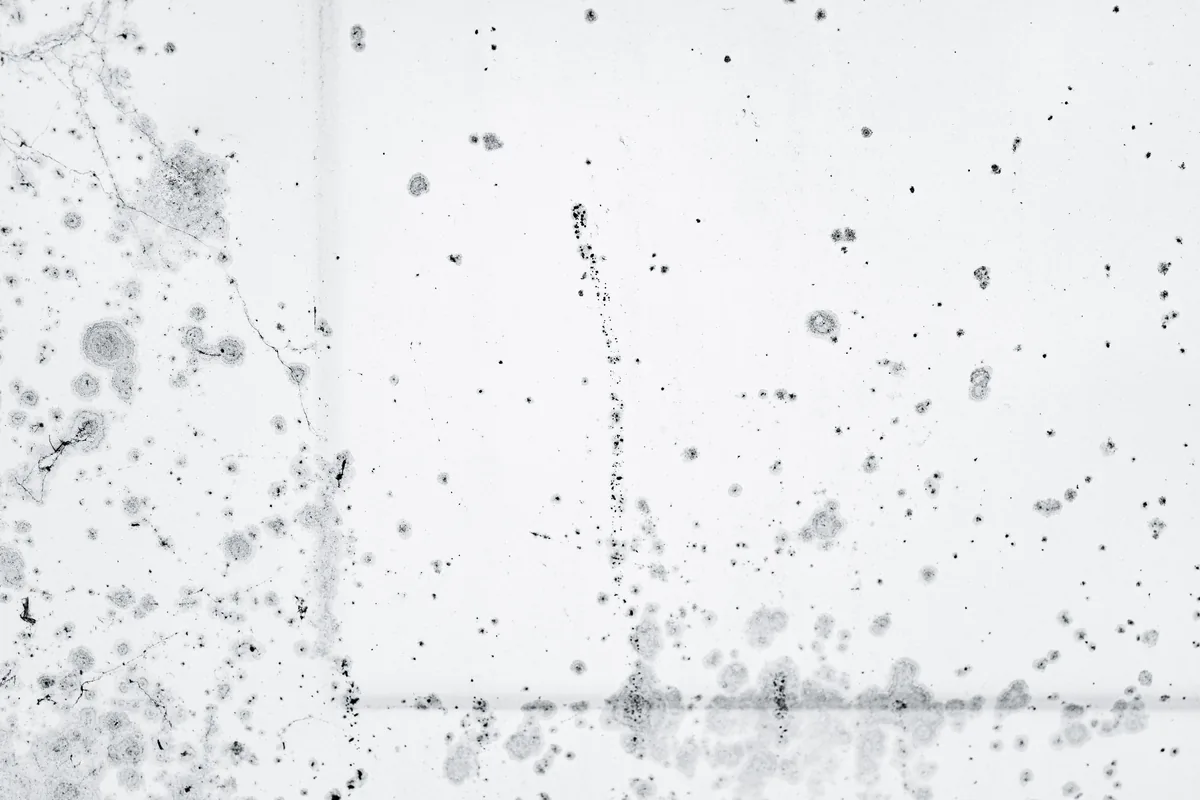
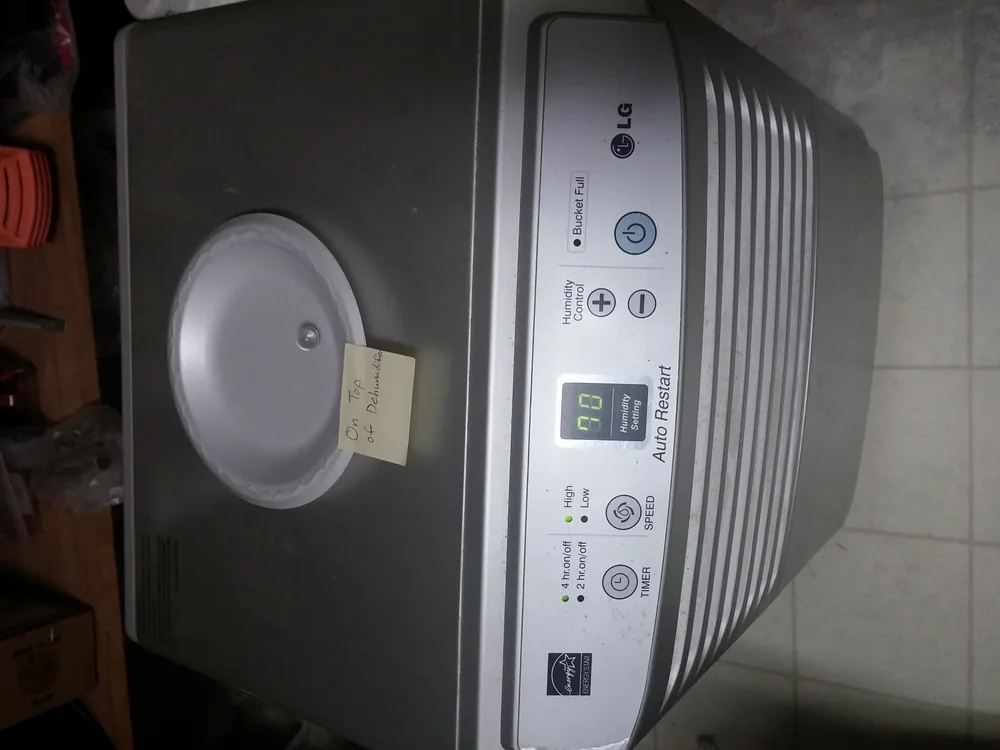
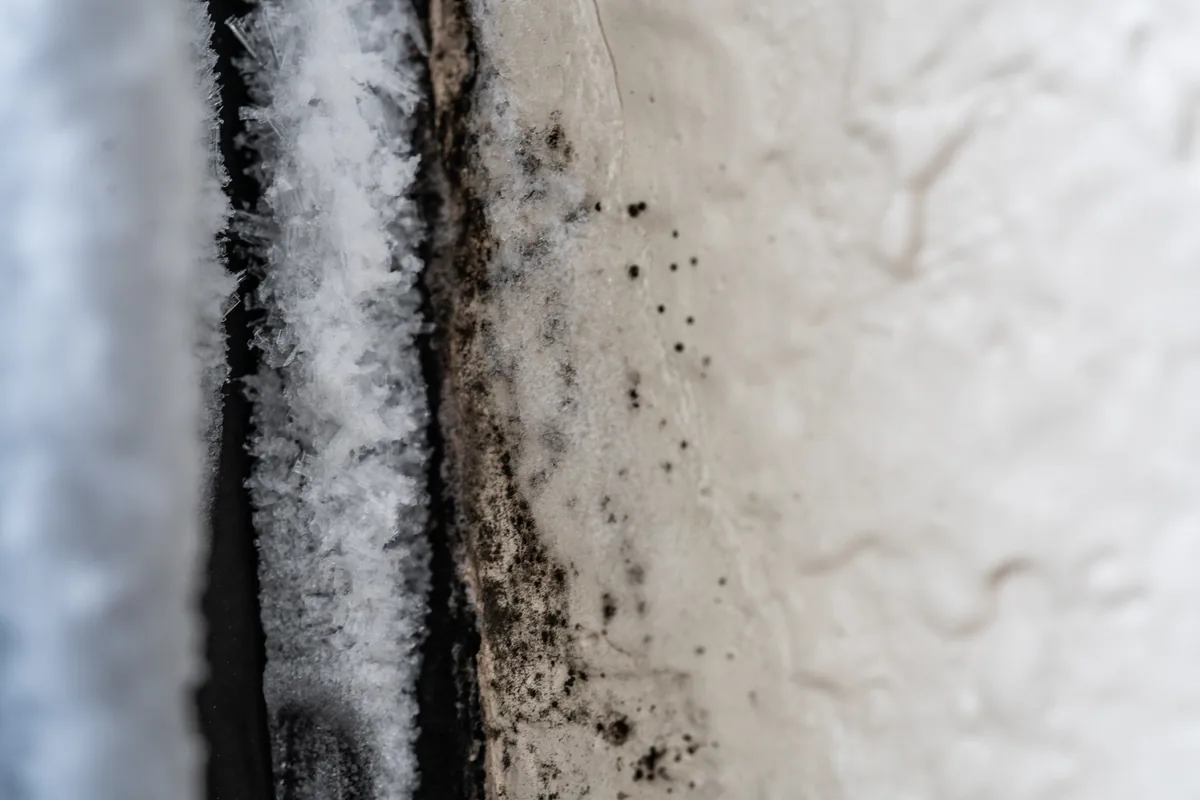
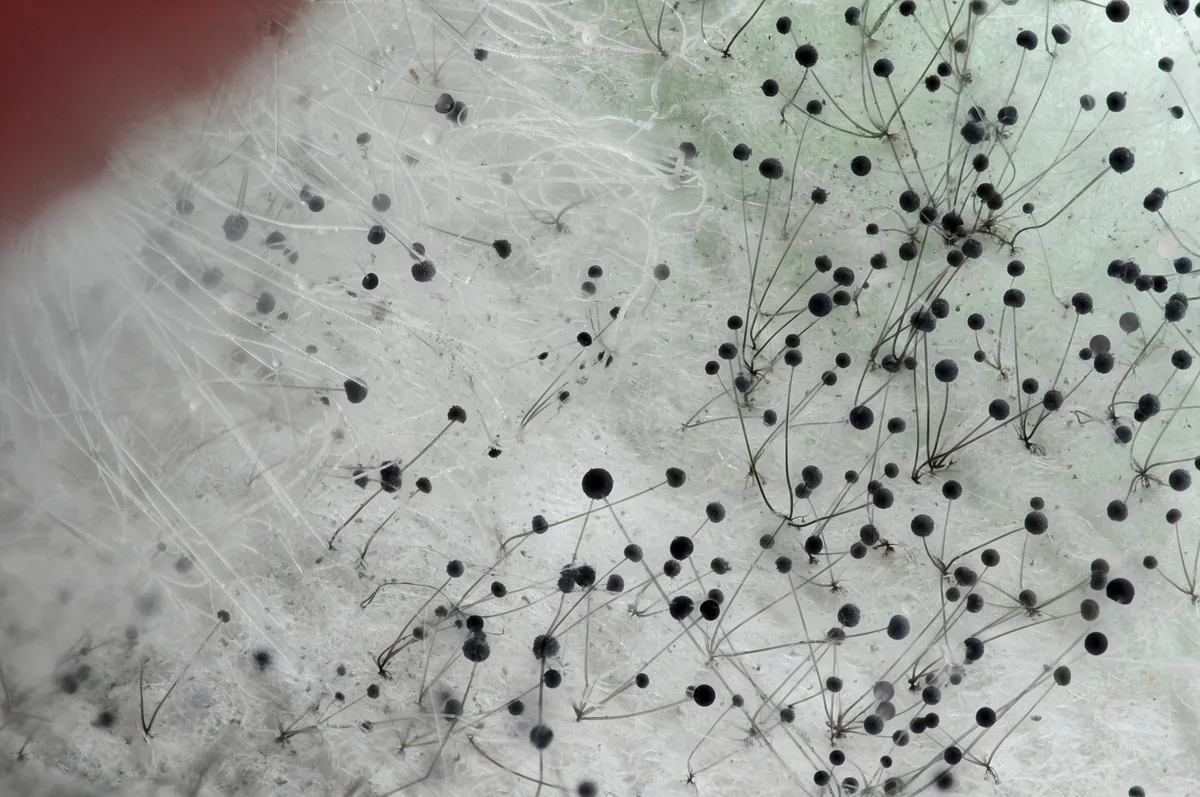
Why sewage backups demand specialized remediation
A sewage backup is classified as Category 3 water, which is grossly contaminated and requires a different cleanup approach than a clean water leak.
The organic contamination in sewage accelerates mold growth far more quickly than moisture from a typical leak.
For independent guidance on mold, moisture, and safe cleanup, see EPA: Mold guidance and CDC: Mold and health.
- Sewer line backups from clogs or municipal system issues
- Sump pump failure allowing sewage-contaminated groundwater in
- Basement floor drain backups during heavy storms
- Toilet or drain line failures affecting flooring and walls
The protocol for sewage related mold in Mead
Technicians utilize full personal protective equipment and adhere to strict handling and disposal practices for hazardous materials.
Porous materials like carpet, padding, and lower drywall that contact sewage are removed, as complete sanitization is not feasible.
- Full containment of the affected area under negative air
- Removal and proper disposal of contaminated porous materials
- Cleaning and disinfecting of hard, non-porous surfaces
- Mold remediation to the IICRC S520 standard alongside the contamination cleanup
Basements are a frequent problem site in Mead
In Mead homes, basement floor drains and older sewer lines are common sources of backups, particularly during periods of heavy rainfall.
Finished basements often sustain significant damage, as carpets, drywall, and stored items are directly exposed when a backup occurs.
Immediate action is critical after a backup
Mold can develop within 24 to 48 hours after a sewage event. Avoid the affected area and contact the 24/7 line; a local crew typically provides same day response.
After the job
After the job: keeping it from coming back
Consider installing a backwater valve on the basement sewer line.
Store items on shelving rather than directly on the basement slab.
If backups recur, have the sewer lateral inspected with a camera.
Monitor the floor drain area for new staining after heavy storms.
If it shows up again, or a new leak starts, call (844) 352-3560, the line is answered 24/7.
Good to know
Sewage Mold Remediation in Mead, WA: common questions
Is a sewage backup more hazardous than a regular water leak?
Yes. Sewage is Category 3 water, containing health hazards not present in clean water leaks, necessitating the removal of porous materials.
Does sewage cause mold faster than clean water?
The combination of moisture and organic contamination creates ideal conditions for rapid mold growth, often within 24 to 48 hours.
Is sewage backup damage covered by insurance?
Coverage depends on the specific insurance policy. Technicians document the damage thoroughly and can work directly with your insurance carrier on the claim.
Can I clean up a sewage backup myself?
Avoid direct contact. Proper protective equipment, disinfection, and correct disposal are essential and best handled by remediation specialists.
What materials are removed after a sewage backup?
Porous materials that contacted sewage, such as carpet, padding, and lower drywall, are removed and disposed of according to protocol.
Related services
More mold services in Mead, WA
Standards
Standards the work is done to in Mead
Questions about the scope? Call (844) 352-3560, open 24/7.
Talk to the mold removal team now
Need Sewage & Mold Remediation in Mead, WA?
Call the 24/7 line and a local crew gets the problem contained fast, then removed the right way, to the IICRC S520 standard. A visit is often set the same day.