Mead, Washington
Mold Removal for Crawl Spaces in Mead
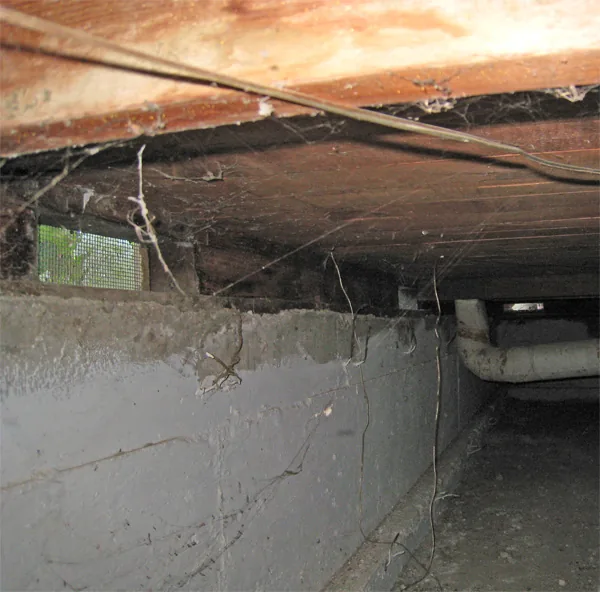
Crawl space mold remediation in Mead addresses growth on wood framing and identifies the underlying moisture sources in the confined, low-airflow environment.
When you call
What happens when you call Mead's 24/7 line
Call (844) 352-3560 any hour. The line is answered 24/7 and insurance is accepted.
The process
The Crawl Space Mold Removal process in Mead, WA
Inspect
Moisture levels in joists and subfloor are measured, and the condition of the vapor barrier, vents, and any existing radon equipment is documented.
Contain
The crawl space access is sealed and the area placed under negative air pressure to prevent spore migration into the home.
Remove
Affected wood is HEPA vacuumed and treated with an antimicrobial agent. Contaminated insulation and debris are removed in sealed bags.
Address moisture
Sources of persistent moisture, such as vapor barrier gaps, standing water, or blocked vents, are identified for the homeowner.
Verify
Final moisture readings confirm the structure is dry, with all findings and photographic documentation provided in a written scope.
Why Mead homeowners call
Crawl Space Mold Removal done to the IICRC S520 standard in Mead, WA
Experience with radon systems
Existing radon mitigation equipment is carefully worked around and its operation is confirmed post-remediation.
Vapor barrier assessment
The condition of the vapor barrier is evaluated, as its failure is a common contributor to moisture problems.
Documented process
The work is documented with photos and moisture readings, providing a clear record even in tight spaces.
Encapsulation service
For spaces requiring more than removal, full encapsulation is available as a dedicated service to control long-term moisture.
When to call
When to book Crawl Space Mold Removal in Mead
- A persistent musty odor emanating from the floors above
- Visible mold growth on the underside of floor joists or subfloor
- Standing water or consistently damp soil in the crawl space
- Mold noted in a recent home inspection report
- Deteriorated or moisture-stained insulation on ducts or between joists
- Floors that feel unusually cold, damp, or unstable
Any one of these is reason enough to call (844) 352-3560, the line is answered 24/7.
Scope of work
What the crew removes and treats in Mead homes
Floor joists and rim board
HEPA vacuumed and treated; encapsulation applied for deep staining
Subfloor underside
Cleaned and dried to meet specific moisture content standards
Sill plate
Assessed for structural soundness and cleaned if salvageable
Fiberglass batts between joists
Removed, bagged, and disposed of when wet or contaminated
Torn vapor barrier
Removed along with any trapped debris and growth
Duct insulation
Replaced if the protective wrap is mold-damaged
Not sure how far the damage runs? Describe it on the phone at (844) 352-3560, the line is answered 24/7.
By location
Crawl Space Mold Removal by city
Crawl Space Mold Removal covers Mead and the whole Spokane County area. Pick your city for local detail and pricing.
Where the crews work
Crawl Space Mold Removal across Mead & the Spokane County area
From Mead out to Country Homes, Dartford, Orchard Prairie, and the Spokane County area. The same crews, the same 24/7 line.
What it costs
Mold removal cost in Mead, WA
Every job is different, so these are the typical Washington ranges. They are planning numbers, not a quote. Your price depends on how much mold there is, where it is, and what caused it.
A single moldy spot, a closet, or under a sink. The crew seals it off, removes it, and treats the surface.
A bathroom, kitchen, or bedroom with mold on a wall or ceiling, plus the moisture source fixed.
Larger areas that need more containment and drying. Common here after spring rain or a slow leak.
Mold across several rooms or after major water damage. The work runs in phases, room by room.
The surest way to get a firm number is to call and have the crew walk the space with you. Want a ballpark first? Try the instant mold remediation cost calculator. Filing a claim? Insurance is accepted and the contractor works with your carrier, so read the mold insurance claims guide.
Time and scope
How long Crawl Space Mold Removal takes in Mead, and what is included
How long the job takes
The confined nature of crawl space work extends timelines. The total duration depends on the extent of growth, the number of affected joists, and whether additional services like encapsulation are included.
What is included, what is booked separately
- Containment of the crawl space with negative air pressure
- HEPA vacuuming and antimicrobial treatment of structural wood
- Removal and proper disposal of contaminated insulation
- A written report on vapor barrier and ventilation conditions
- Photographic documentation and moisture reading records
Booked separately: Crawl Space Encapsulation, Wood Framing Mold Removal, Mold Clearance Testing.
For a firm schedule and a written scope, call (844) 352-3560, the line is answered 24/7.
On the job
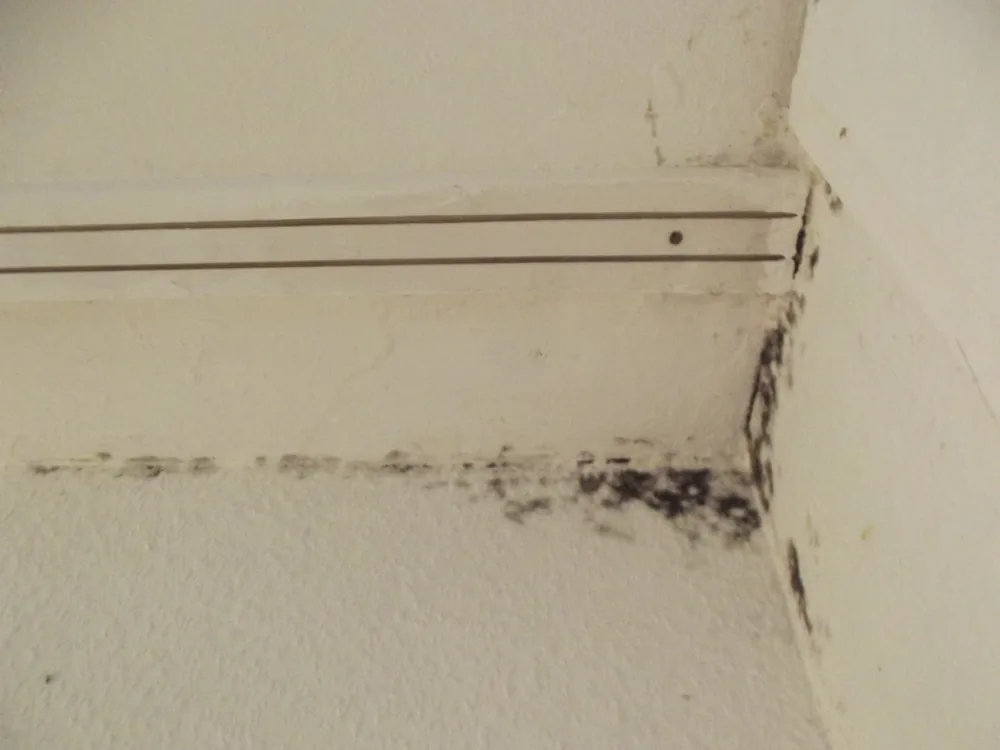
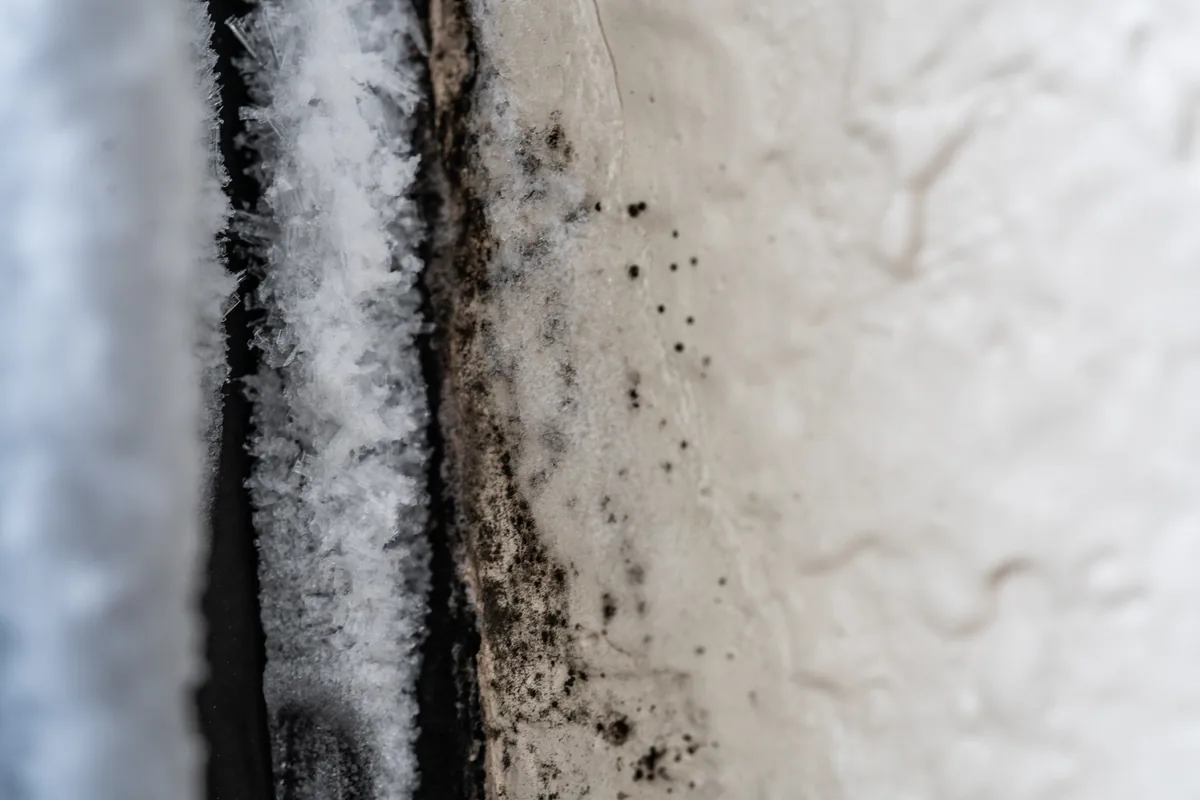
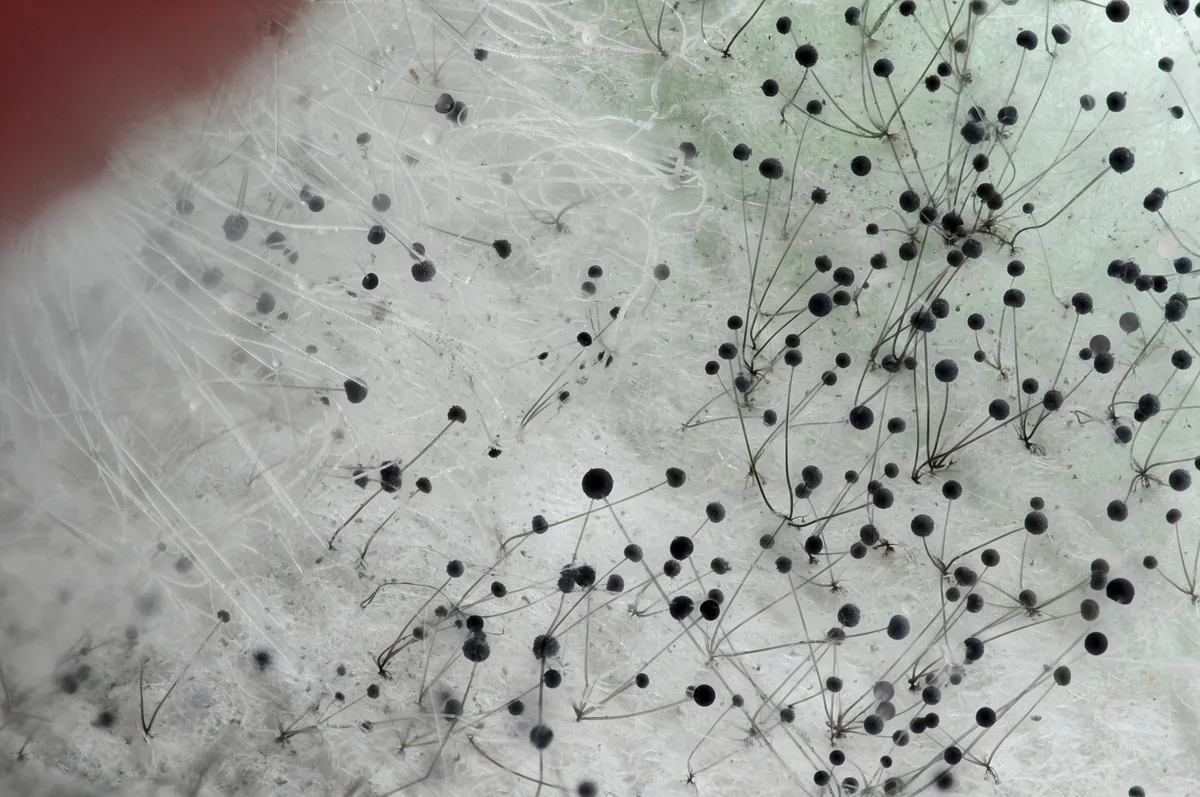
Mold remediation work in Mead homes
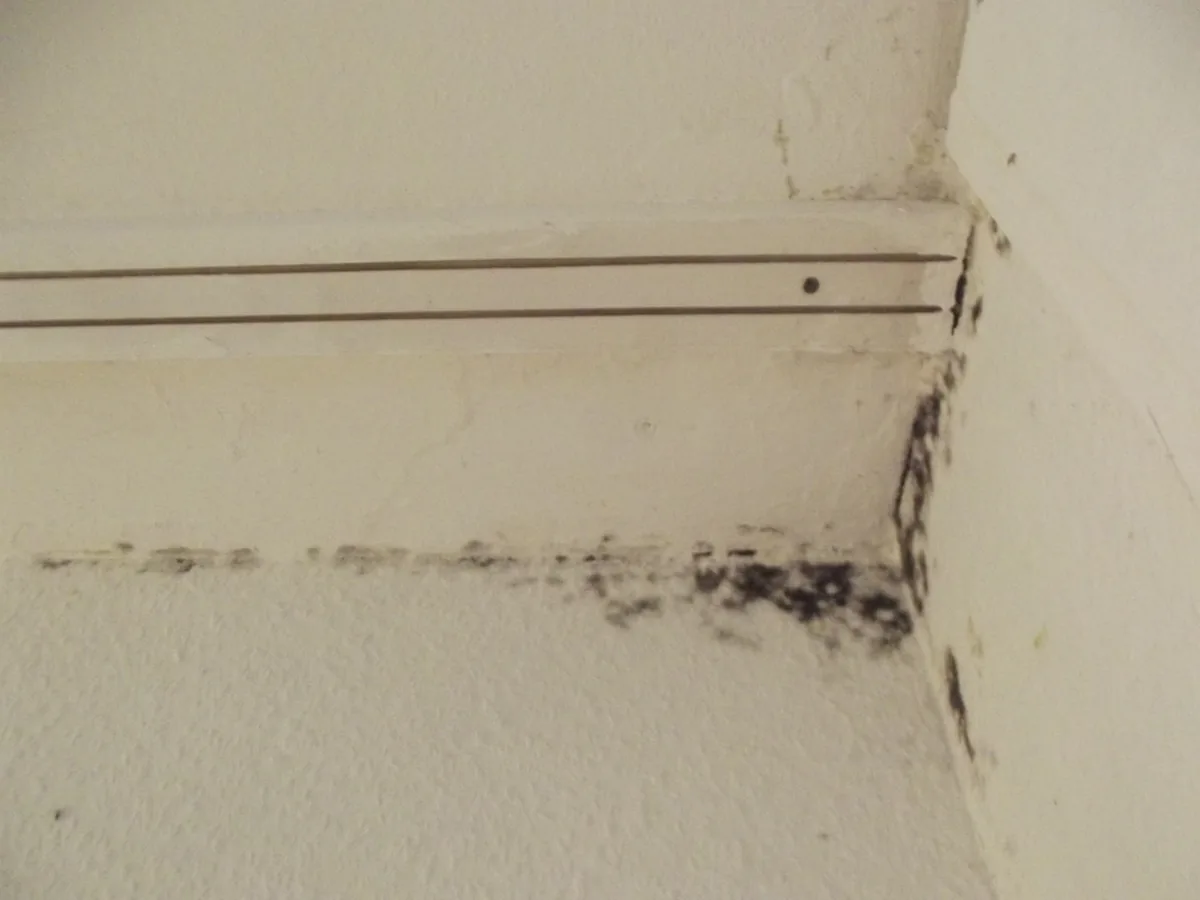
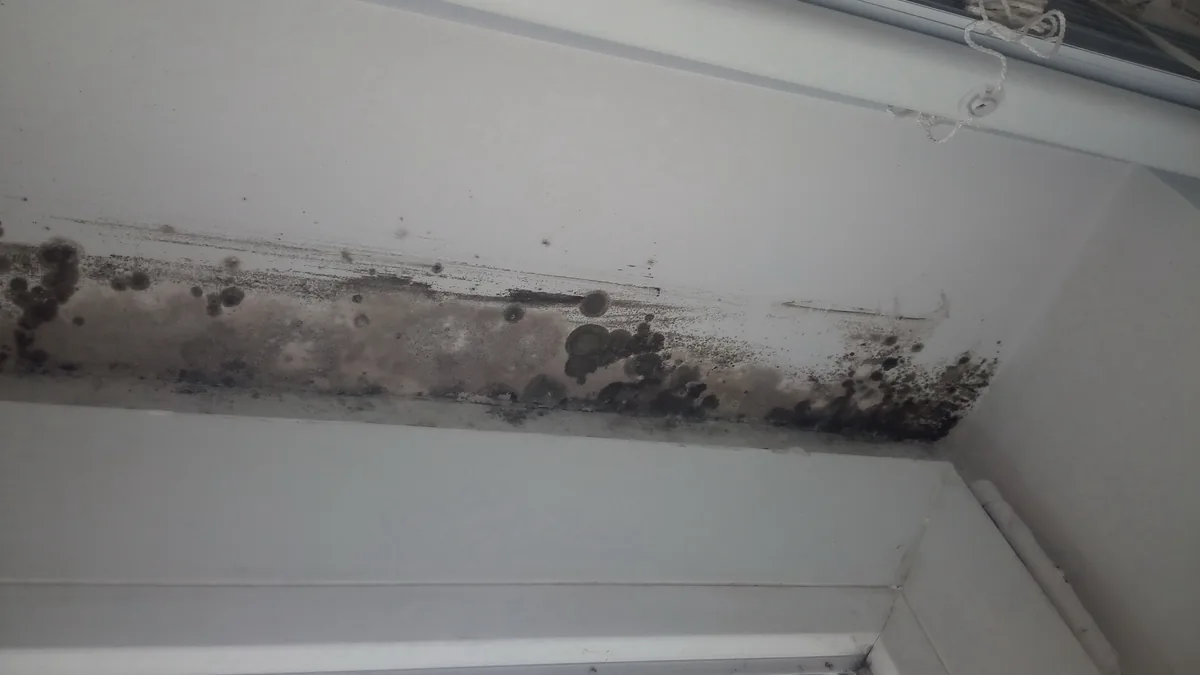
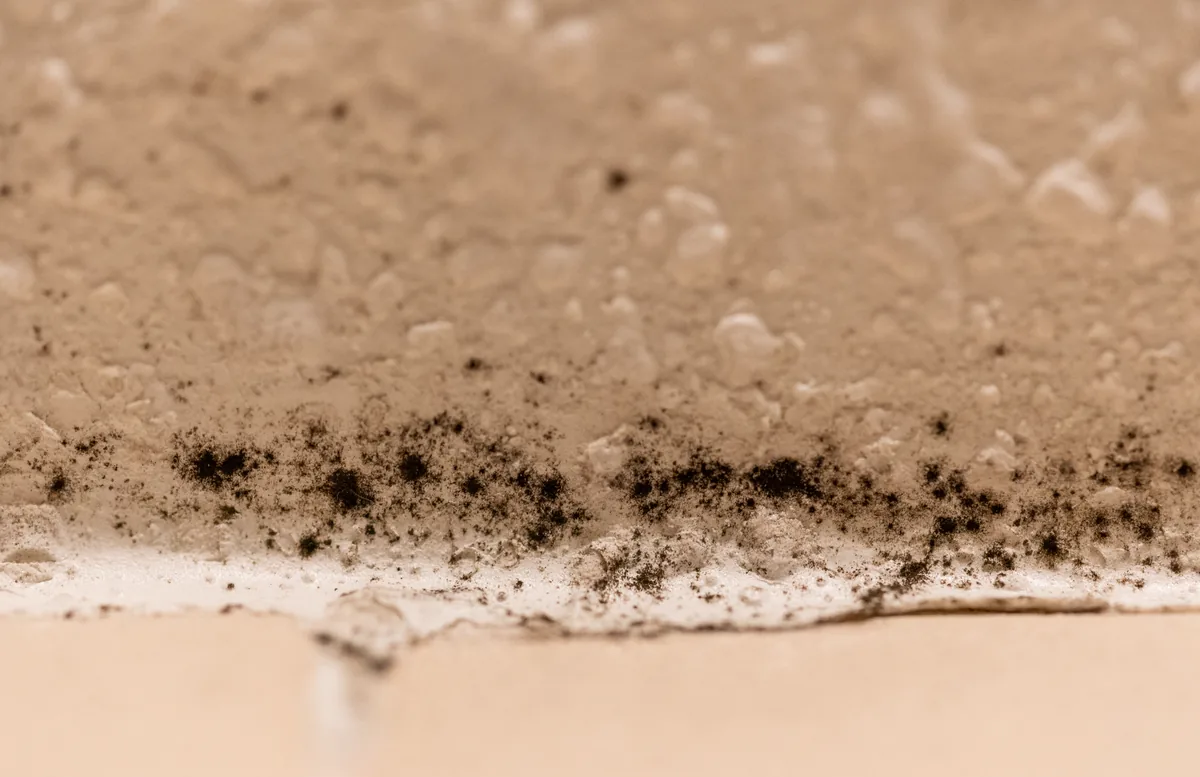

Why Crawl Spaces Are Vulnerable to Mold in Mead
Crawl spaces create an ideal environment for mold by combining limited airflow, contact with soil moisture, and cooler temperatures that promote condensation.
Many homes in Mead and the broader Spokane County area are built on crawl space foundations. Even a well-installed vapor barrier can degrade over time, allowing soil moisture to evaporate into the space.
Mold growth often goes undetected until a musty odor becomes noticeable in the living areas or it is discovered during a property inspection.
The temperature differential between the home and the crawl space causes warm, humid air to condense, adding significant moisture without an active water leak.
For independent guidance on mold, moisture, and safe cleanup, see EPA: a brief guide to mold, moisture, and your home and Washington Department of Public Health and Environment.
What a Crawl Space Inspection Entails
A thorough inspection involves assessing structural wood, insulation, vapor barriers, and ventilation, as well as any installed systems like radon mitigation.
- Discoloration or fuzzy growth on the underside of joists and subfloor
- Condition and coverage of the existing vapor barrier
- Standing water or saturated soil after rain or spring rain
- Vent function, whether open, blocked or deliberately sealed
- Ductwork and insulation showing stains or moisture damage
Coordinating with Radon Mitigation Systems
Given the local geology, many Mead homes have active radon mitigation systems with components running through the crawl space.
Technicians work carefully around these systems, avoiding disturbance to sealed piping and fans, and note any pre-existing damage for the system owner.
The operation of the mitigation fan is verified before completing the job, as it can be accidentally disrupted during remediation work.
While the crew ensures the system is operational, retesting radon levels is a separate process handled by a dedicated radon specialist.
The Role of Vapor Barriers in Prevention
A compromised vapor barrier is a primary cause of recurring mold problems, as it allows ground moisture direct access to wooden structural components.
While not part of standard removal, full crawl space encapsulation is offered as a separate service to provide a comprehensive moisture barrier.
The Realities of Low-Clearance Remediation Work
Crawl space heights in Mead homes vary widely, often requiring technicians to work in very confined spaces, which impacts the pace and methodology of the work.
The physical constraints of low clearance mean remediation often takes longer per square foot than similar work in an open basement, a factor built into project timelines.
Each job is planned according to the specific access and conditions of the individual crawl space.
Since most crawl spaces lack permanent lighting, technicians use portable work lights to ensure all areas, including remote corners, are properly assessed and treated.
After the job
After the job: keeping it from coming back
Maintain an intact vapor barrier to separate soil from the structure
Control relative humidity in the crawl space to prevent condensation
Inspect the area seasonally for signs of water intrusion or dampness
Avoid storing items in the crawl space, as they can trap moisture against framing
If it shows up again, or a new leak starts, call (844) 352-3560, the line is answered 24/7.
Good to know
Crawl Space Mold Removal in Mead, WA: common questions
What are the signs of mold in a crawl space?
Common indicators include a musty smell in living areas and visible discoloration or growth on exposed wood in the crawl space.
Do you repair or install vapor barriers?
Vapor barrier condition is assessed during inspection. Full encapsulation is offered separately for comprehensive moisture control.
What determines how long the remediation takes?
The timeline is influenced by the square footage affected, the amount of structural wood involved, and the physical constraints of the crawl space itself.
How is a radon mitigation system handled during remediation?
The system is worked around without disruption. Technicians verify it is operational upon job completion and note any pre-existing issues.
Can crawl space mold impact indoor air quality?
Air can transfer between the crawl space and home, potentially carrying odors and spores, which is why containment during work is critical.
Related services
More mold services in Mead, WA
Standards
Standards the work is done to in Mead
Questions about the scope? Call (844) 352-3560, open 24/7.
Talk to the mold removal team now
Need Crawl Space Mold Removal in Mead, WA?
Call the 24/7 line and a local crew gets the problem contained fast, then removed the right way, to the IICRC S520 standard. A visit is often set the same day.