Mead, Washington
Kitchen Mold Remediation in Mead
Kitchen mold in Mead often begins with a hidden leak. Remediation specialists trace it to the sink, dishwasher, or fridge line and remove the growth.
When you call
What happens when you call Mead's 24/7 line
Call (844) 352-3560 any hour. The line is answered 24/7 and insurance is accepted.
The process
The Kitchen Mold Remediation process in Mead, WA
Inspect
The area under the sink, behind the refrigerator, and around the dishwasher is checked for moisture and staining.
Trace the Leak
The source, whether plumbing, an appliance line, or condensation, is identified before removal begins.
Remove
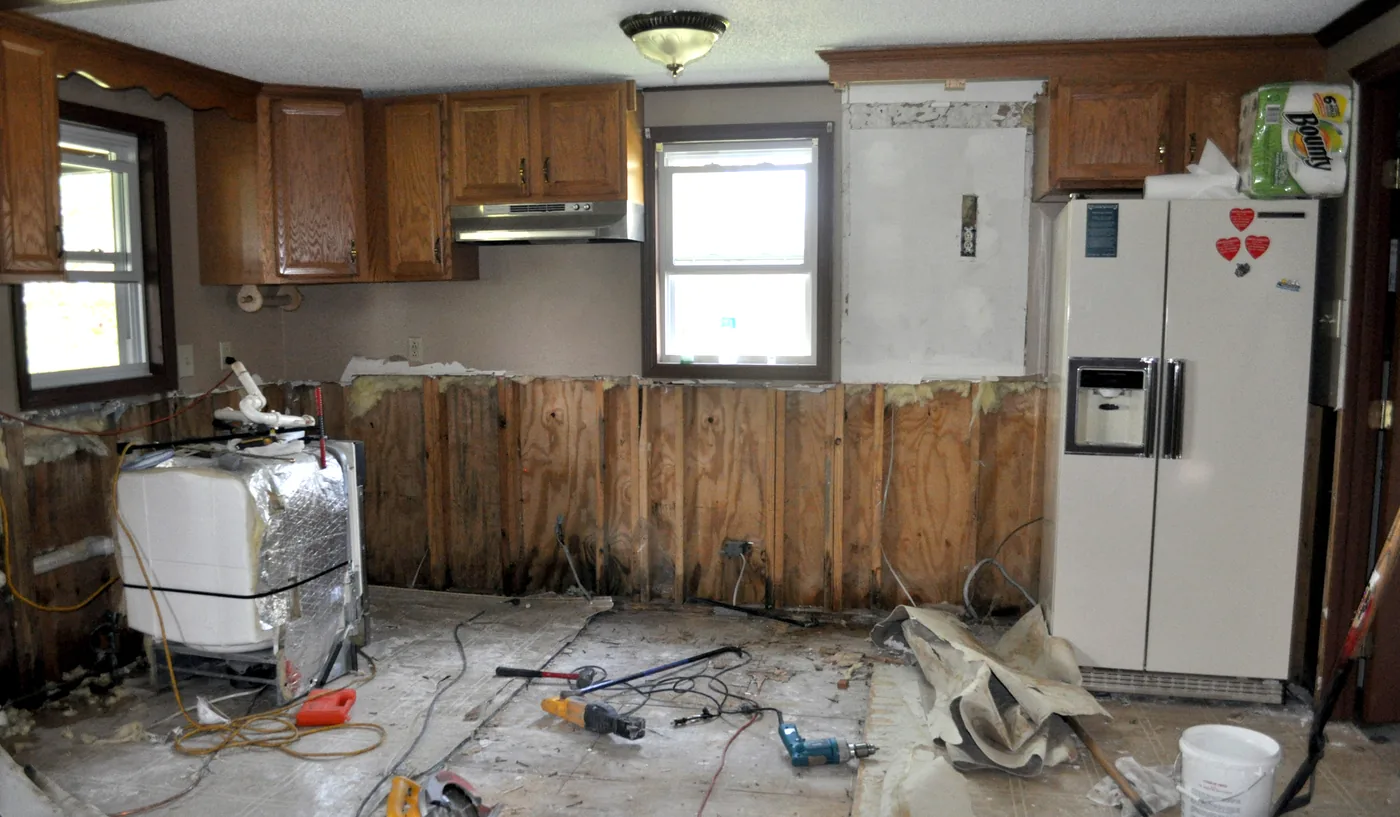
Affected cabinet material, subfloor, or drywall is removed; salvageable surfaces are cleaned and treated.
Dry
Cabinet interiors and flooring are dried thoroughly, as enclosed spaces retain moisture longer.
Verify
Moisture readings are taken again before cabinets are closed or removed material is replaced.
Why Mead homeowners call
Kitchen Mold Remediation done to the IICRC S520 standard in Mead, WA
Moisture Source Identification
Identifying the actual source, whether plumbing, appliance, or condensation, helps prevent recurrence.
Clear Cabinet Evaluations
Homeowners are informed what cabinetry can be treated and saved versus what requires replacement.
Documented Process
Photos, moisture readings, and a written scope provide documentation for the work completed.
Thorough Subfloor Inspection
The subfloor under kitchen flooring is checked with a moisture meter, as slow leaks often cause hidden damage.
When to call
When to book Kitchen Mold Remediation in Mead
- A musty odor from inside the under-sink cabinet
- Swollen or delaminating cabinet base near the dishwasher
- Dark staining on the cabinet back panel behind plumbing
- Warped flooring or a soft spot in front of the sink
- Water marks behind the refrigerator or along the ice-maker line
- A leaking dishwasher door seal onto the toe kick
Any one of these is reason enough to call (844) 352-3560, the line is answered 24/7.
Scope of work
What the crew removes and treats in Mead homes
Particleboard cabinet base
Removed once swollen, as it does not regain structural integrity
Cabinet back panel
Taken out to access the wall cavity behind
Drywall behind the sink run
Opened where the paper facing shows colonization
Subfloor under the sink
Checked with a meter, then dried or removed if moisture persists
Toe kick and base trim
Removed because joints can trap water underneath
Caulk and grout at the counter
Cut out and replaced after the cavity is thoroughly dried
Not sure how far the damage runs? Describe it on the phone at (844) 352-3560, the line is answered 24/7.
By location
Kitchen Mold Remediation by city
Kitchen Mold Remediation covers Mead and the whole Spokane County area. Pick your city for local detail and pricing.
Where the crews work
Kitchen Mold Remediation across Mead & the Spokane County area
From Mead out to Country Homes, Dartford, Orchard Prairie, and the Spokane County area. The same crews, the same 24/7 line.
What it costs
Mold removal cost in Mead, WA
Every job is different, so these are the typical Washington ranges. They are planning numbers, not a quote. Your price depends on how much mold there is, where it is, and what caused it.
A single moldy spot, a closet, or under a sink. The crew seals it off, removes it, and treats the surface.
A bathroom, kitchen, or bedroom with mold on a wall or ceiling, plus the moisture source fixed.
Larger areas that need more containment and drying. Common here after spring rain or a slow leak.
Mold across several rooms or after major water damage. The work runs in phases, room by room.
The surest way to get a firm number is to call and have the crew walk the space with you. Want a ballpark first? Try the instant mold remediation cost calculator. Filing a claim? Insurance is accepted and the contractor works with your carrier, so read the mold insurance claims guide.
Time and scope
How long Kitchen Mold Remediation takes in Mead, and what is included
How long the job takes
A single under-sink cabinet project often completes within two days. More time is needed if the subfloor is wet, the wall behind is opened, or cabinetry must be removed to access the growth.
What is included, what is booked separately
- Containment of the kitchen work area with negative air
- Removal of saturated cabinet material and trim
- Moisture mapping of the subfloor and adjacent wall
- Antimicrobial treatment of framing and salvageable surfaces
- Drying with air movers and a dehumidifier, with daily progress tracking
Booked separately: Mold After Plumbing Leak, Floor and Subfloor Mold Removal, Mold Damage Restoration.
For a firm schedule and a written scope, call (844) 352-3560, the line is answered 24/7.
On the job
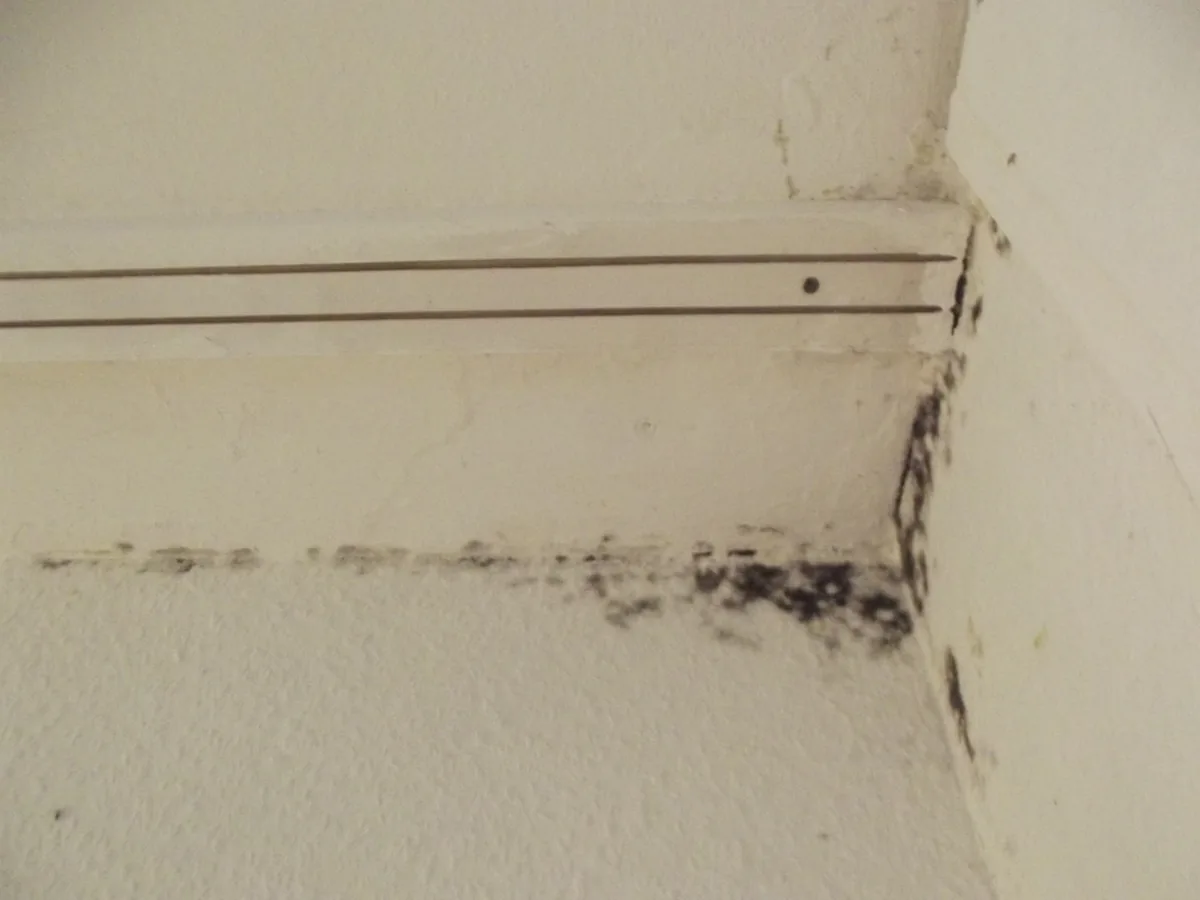
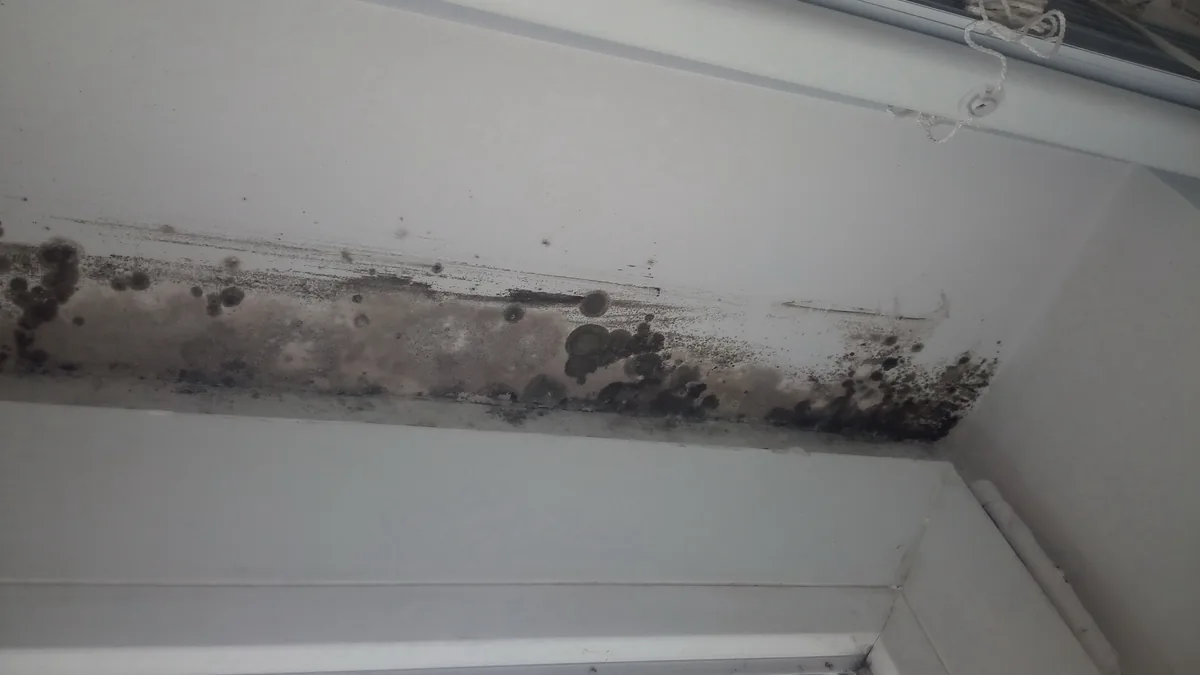
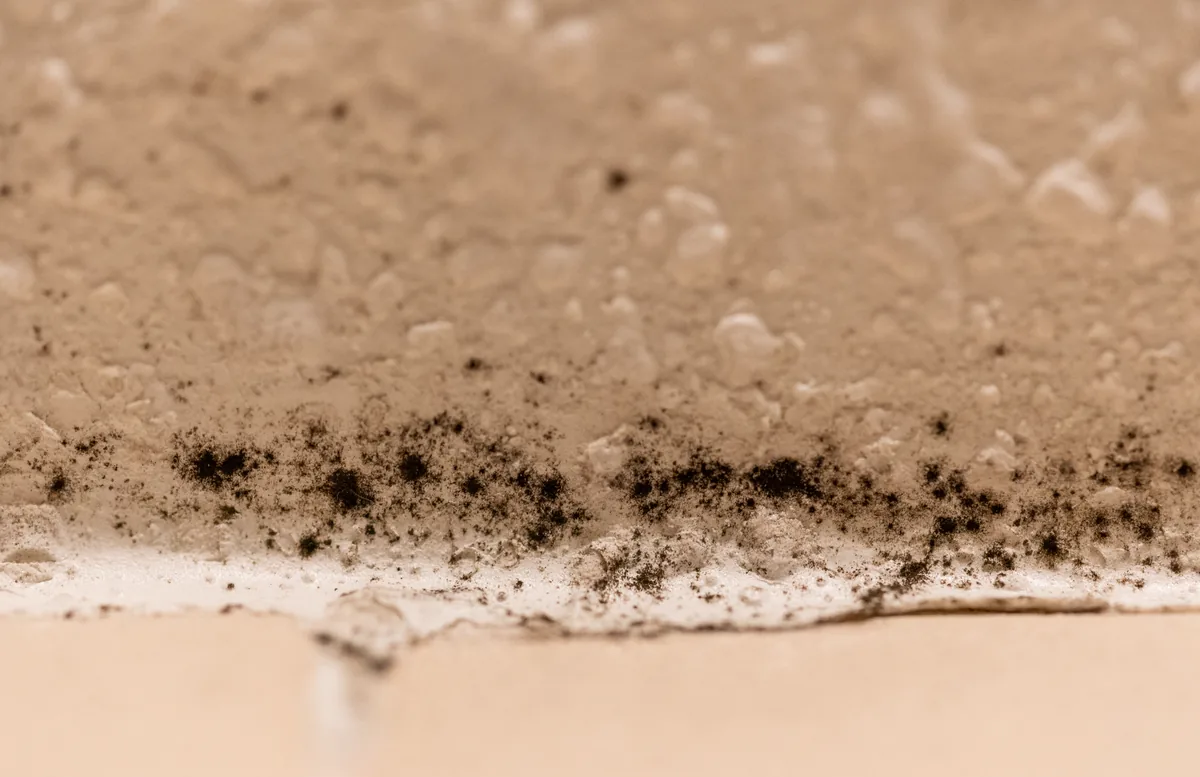
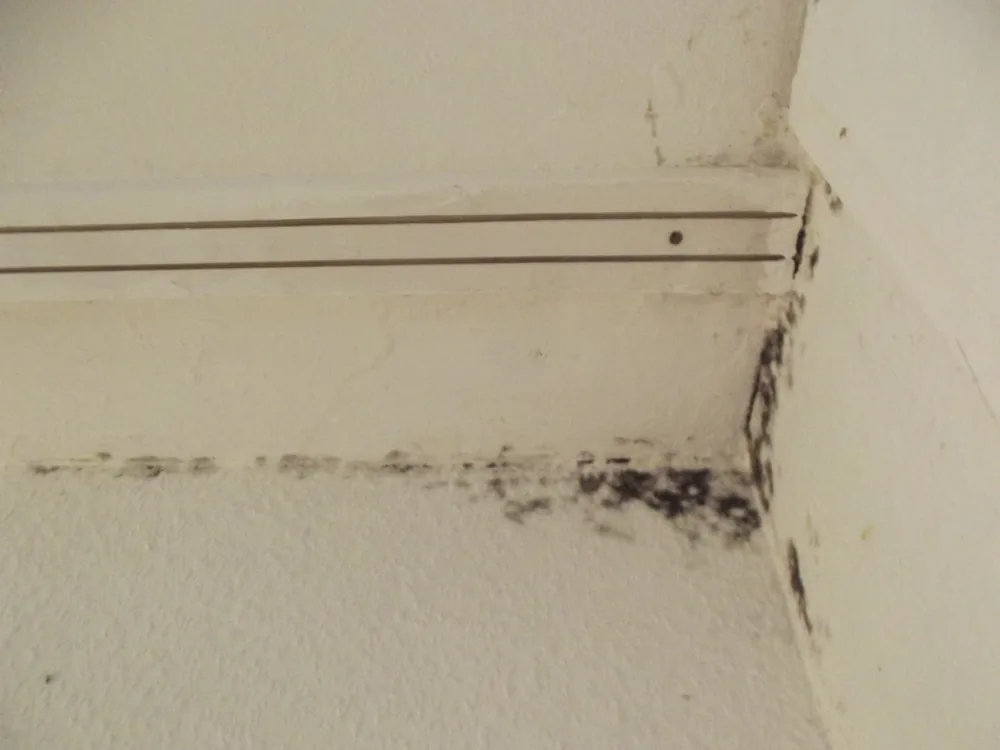
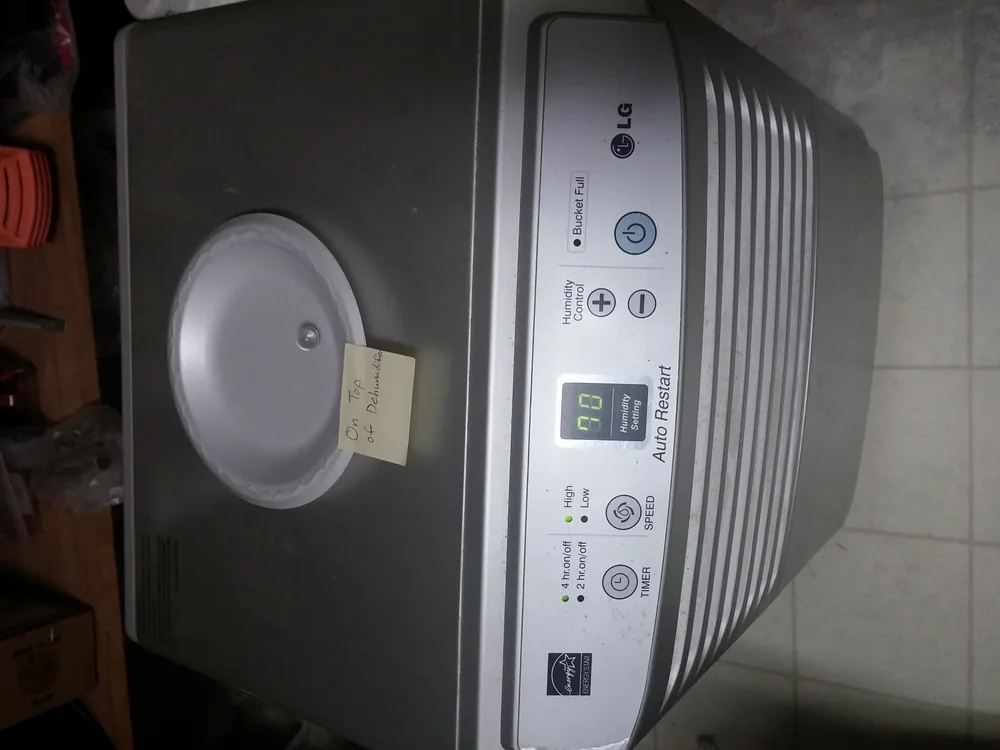
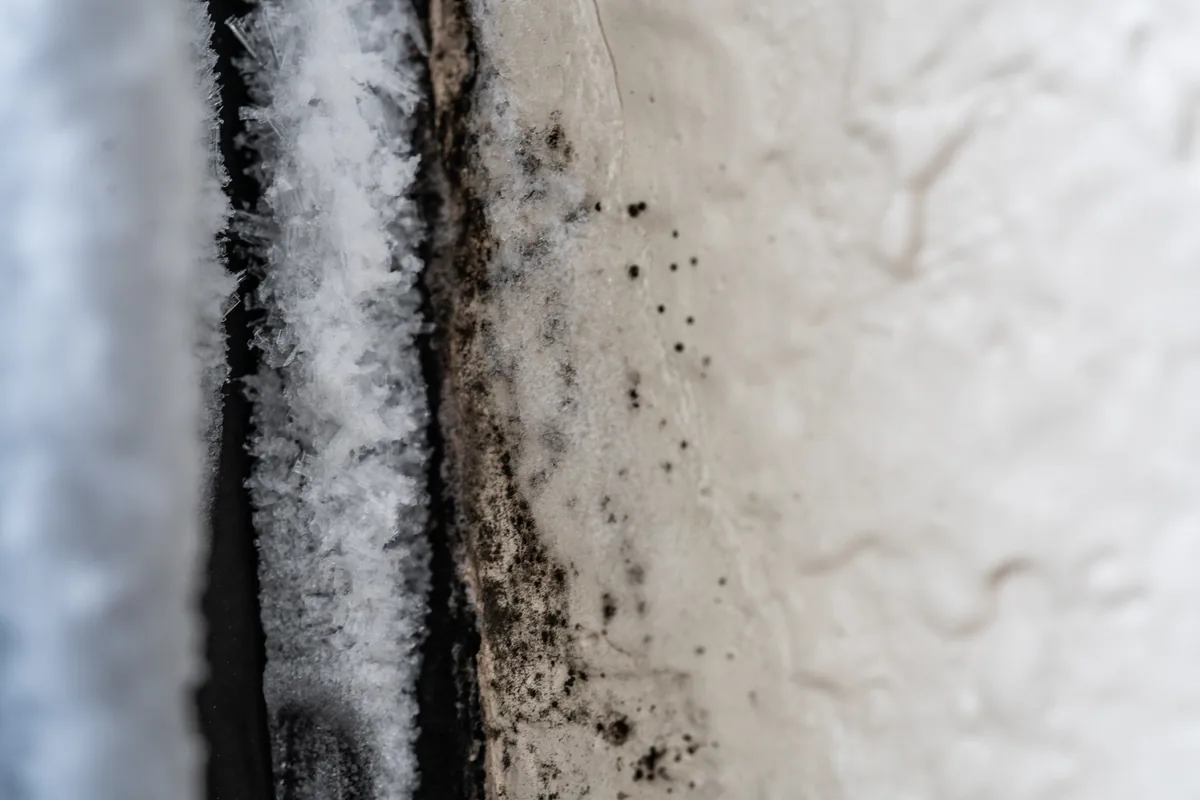
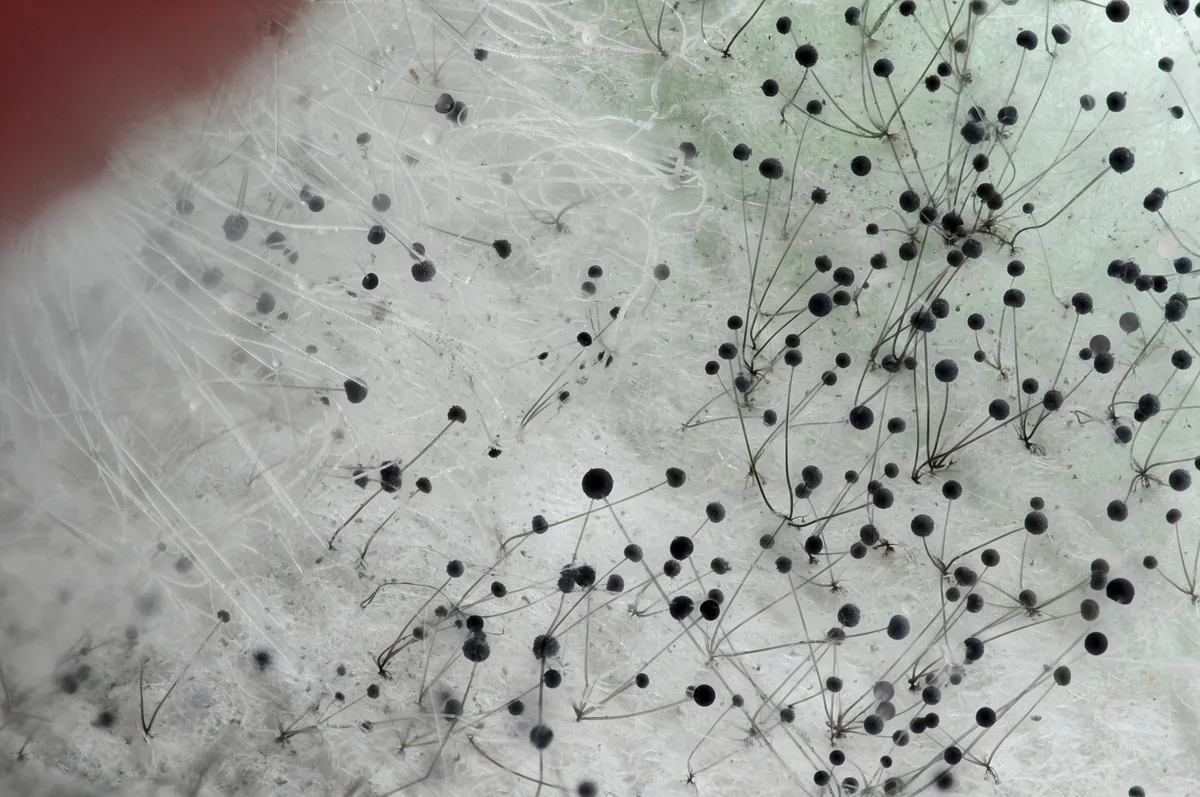
Mold remediation work in Mead homes

Why Kitchens Conceal Mold Longer
A kitchen leak often stays hidden for weeks inside a closed cabinet, behind an appliance, or under undisturbed flooring.
By the time a musty odor, swollen cabinet edge, or soft spot near the sink appears, moisture has been present, often leading to more removal than anticipated.
Common sources include a slow supply line under the sink, a failed dishwasher door seal, or a loose refrigerator water line fitting.
Frequent daily use, with dishes and dishwasher cycles, gives a small drip repeated opportunities to cause moisture issues.
For independent guidance on mold, moisture, and safe cleanup, see EPA: a guide to mold cleanup and moisture control and Washington Department of Public Health and Environment.
Common Sources in Mead Kitchens
These are the primary areas checked during an inspection.
- Under-sink cabinet floor and back panel
- Behind and beneath the refrigerator, especially with ice-maker lines
- Around the dishwasher base and side panels
- Subfloor beneath vinyl or laminate flooring near the sink
- Drywall behind the stove if a water line runs nearby
Cabinets: Assessment for Repair
Particleboard cabinet bases, common in many Spokane County homes, absorb water quickly and typically require replacement if saturated. Solid wood can often be cleaned and treated.
Homeowners receive a straightforward assessment of whether cabinets can be saved or need replacement.
Hardware and shelving are removed and set aside. Non-porous items are cleaned; porous materials like cardboard liners are discarded.
Cabinet backs often fail first, as thinner material sits closest to the wall where a leak makes contact.
Steps for Early Detection
If a musty smell under the sink or cabinet swelling is noticed before visible growth, that is the time to call. Early intervention results in a smaller, faster project.
Waiting can allow a drip to continue for a month, potentially affecting the subfloor even if the cabinet exterior appears fine.
Considerations for Older Mead Kitchens
Kitchens in older Mead neighborhoods sometimes feature custom cabinetry that is difficult to match with modern stock lines.
In such cases, options are discussed early: preserve as much original cabinetry as possible or plan for replacement of the damaged section.
This conversation occurs before removal starts, while options remain open.
Open-shelf and butcher-block kitchens, seen in some remodeled Mead homes, present unique considerations as exposed wood near a sink interacts with moisture differently than sealed surfaces.
After the job
After the job: keeping it from coming back
Place a moisture alarm in the under-sink cabinet and dishwasher pan
Pull the refrigerator annually to check the ice-maker fitting
Re-caulk the sink rim and counter backsplash when the sealant cracks
Use the range hood while cooking to vent humidity outside
If it shows up again, or a new leak starts, call (844) 352-3560, the line is answered 24/7.
Good to know
Kitchen Mold Remediation in Mead, WA: common questions
How can I tell if a kitchen leak has caused mold?
Signs include swollen or warped cabinet wood, a musty smell near the sink or refrigerator, or staining on a cabinet back.
Will my cabinets need to be replaced?
It depends on the material and exposure. Saturated particleboard bases typically require replacement, while solid wood can often be cleaned and treated.
Can a refrigerator water line cause mold?
Yes. A loose ice-maker fitting can weep behind the refrigerator for an extended period without being noticed.
Do remediation specialists fix the leak?
The moisture source is identified and documented, but plumbing and appliance repairs are handled separately by appropriate professionals.
Is it safe to use the kitchen during remediation?
Often, yes, particularly when work is contained to under-sink cabinetry. The on-site technician will indicate what areas remain sealed.
Related services
More mold services in Mead, WA
Standards
Standards the work is done to in Mead
Questions about the scope? Call (844) 352-3560, open 24/7.
Talk to the mold removal team now
Need Kitchen Mold Remediation in Mead, WA?
Call the 24/7 line and a local crew gets the problem contained fast, then removed the right way, to the IICRC S520 standard. A visit is often set the same day.